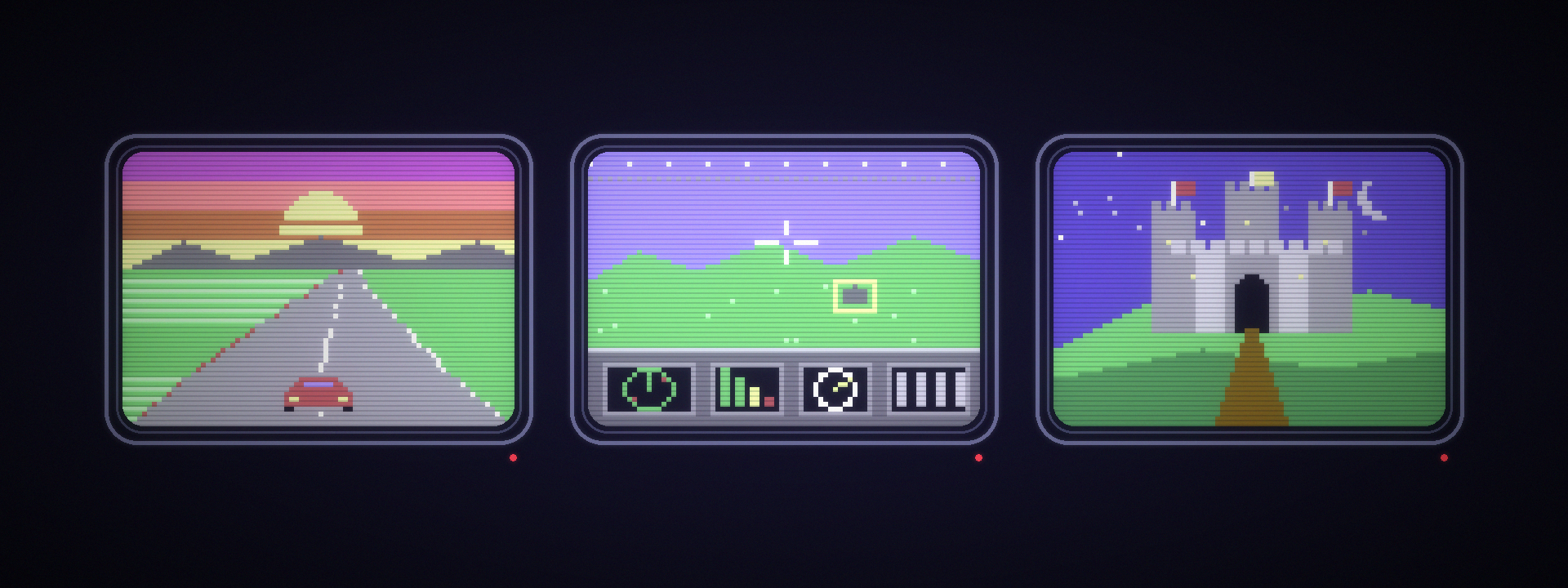
This is part 4 of my series on the history of computer games. Start with part 1, which covers everything up to 1980.
1986 is the year the Nintendo games I grew up with were made. Almost all of them came out in Japan this year, and it took one or two years before they reached Sweden. It's also the year the NES arrived here, the year Sega entered the race, and the year Datormagazin, the magazine I later subscribed to, was born.
I turned ten just before Christmas 1986, and I still didn't have a computer. I didn't play a single one of the games in this post in 1986. They came to me later, on the NES at friends' houses and on my own C128 from Christmas 1987. But this is where they started.
Nintendo's big year in Japan
On February 21, 1986, Nintendo released the Famicom Disk System in Japan, a disk drive that plugged into the Famicom. The disks were cheaper than cartridges, held more data and could save your progress. The first big game for it came out the same day: The Legend of Zelda. Shigeru Miyamoto wanted to recreate the feeling of exploring the countryside as a child, and instead of a linear series of levels you got an open world, a map full of secrets and a sword. It sold 1.69 million copies on the Disk System in Japan alone.
On May 27, Dragon Quest came out for the Famicom. Yuji Horii was inspired by Western computer RPGs like Wizardry and Ultima, and Akira Toriyama of Dragon Ball did the art. It made the RPG a mainstream genre in Japan and paved the way for Final Fantasy a year and a half later.
Then came one classic after another:
- Metroid, August 6, a science fiction adventure where you explore an alien planet, open new paths with new equipment, and, if you were fast enough, find out at the end that the hero in the space suit, Samus Aran, is a woman.
- Castlevania, September 26, where you whip your way through Dracula's castle.
- Kid Icarus, December 19, a mix of platforming, adventure and Greek mythology.
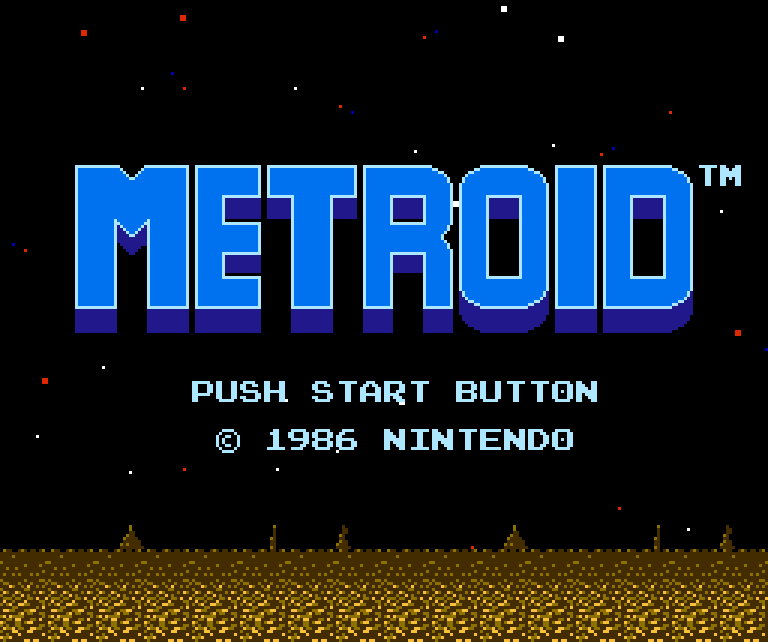
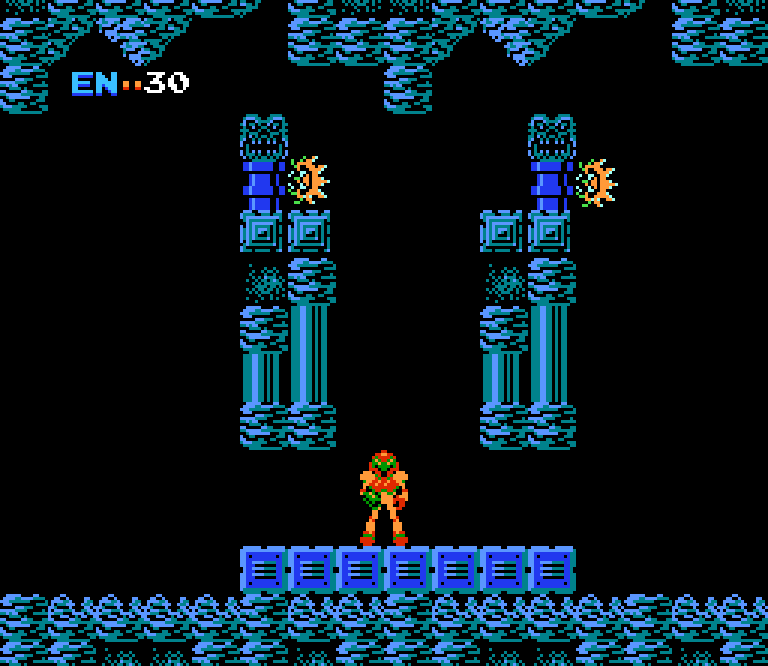
Metroid felt revolutionary when I first saw it, a big connected world instead of one level after another. I never spent much time with it myself, though.
For a Swedish or European NES player these dates are misleading. This is when the games were released in Japan. Here is when they reached Europe:
| Game | Japan | Europe |
|---|---|---|
| The Legend of Zelda | February 21, 1986 | November 15, 1987 |
| Metroid | August 6, 1986 | January 15, 1988 |
| Castlevania | September 26, 1986 | November 1988 |
| Kid Icarus | December 19, 1986 | February 1987 |
Zelda reached Swedish shops for Christmas 1987, almost two years after Japan. Kid Icarus is listed as released in Europe in February 1987, but I remember it arriving later than that in Sweden.
The NES comes to Sweden
On September 1, 1986, the NES was released in Sweden. It was imported by Bergsala, a company from Kungsbacka, and according to Varvat, Bergsala's founder Owe Bergsten convinced Nintendo that Sweden should be the first country in Europe to get the console. The launch titles were Ice Climber, Mario Bros., Pinball, Popeye, Tennis and Excitebike.
Notice that Super Mario Bros. isn't on that list. The console came with Ice Climber, and Super Mario Bros. didn't reach Europe until May 1987. I have always remembered Ice Climber as the game that came with every NES in Sweden, and it turns out I remembered right.
It started slowly, but the NES became huge here. Just over 40,000 were sold by the end of 1987, according to Spelbloggen, and 420,000 in total in Sweden. For me, the NES was mostly something I played at friends' houses or rented. I didn't own one myself, even though we had one at home a few years later.
Sega enters the race
Sega had released its Mark III console in Japan in October 1985. In September 1986 it came to the US as the Sega Master System, for $200. On paper it was more powerful than the NES, and games like Alex Kidd in Miracle World and Wonder Boy were good, but Nintendo had a head start and strict rules that kept third-party developers from releasing games on other consoles. In the US, the Master System never really had a chance.
In Europe it was a different story. The Master System came here in 1987, and by 1990 it was the best-selling console in Europe. But not in Sweden. Here it only sold about 4,000 units in 1988, according to Spelbloggen. Nintendo got here first and owned Sweden. A Swedish C64 mail order shop was selling Sega games like Alex Kidd, Wonder Boy and Zillion in autumn 1987, so they were available, but I don't remember anyone I knew who had a Master System.
Sega's biggest hit of 1986 was in the arcades. Out Run came out in September 1986. Yu Suzuki's racing game had a red Ferrari Testarossa, a blonde in the passenger seat, forked roads where you chose your own route, and music you picked on the car radio. The deluxe cabinet moved with the car. It became one of the best-selling arcade games of the 80s.
I actually played the Out Run arcade machine, before I played the C64 version that came out in December 1987.
Home computers
In April 1986, Amstrad bought Sinclair's computer business and the Sinclair brand for £5 million. The Spectrum lived on, now as an Amstrad product. My friend's Spectrum, where I played Bomb Jack, Harrier Attack and Bruce Lee, probably still ran into 1986.
On the C64, 1986 was another very strong year:
- Uridium by Andrew Braybrook (Hewson), released February 28, a fast shooter where you fly over giant enemy dreadnoughts. It was named arcade game of the year at the Golden Joystick Awards, where Gauntlet was game of the year.
- Leader Board from Access Software, the best-selling C64 game of 1986 in the UK.
- Gunship from MicroProse, which I'll come back to below.
By early 1987, Commodore had sold 7 million C64s and one million C128s, according to Datormagazin.
On the Amiga, Cinemaware released its first game, Defender of the Crown, on November 1, 1986. It looked like nothing else at the time, and it became the game people used to show what the Amiga could do.
Datormagazin is born
The first issue of Datormagazin came out in May 1986, and there were four issues that year. I subscribed a couple of years later, after I got my C128, and it was where I found most of my information about games. I recently browsed the archive at DMZArkivet, and it's fun to see what the magazine wrote at the time.
In autumn 1986, Epyx's CEO Gilbert Freeman visited Stockholm and held a press conference at the Grand Hôtel, where he announced the company's next C64 games: Movie Monster, Destroyer, Super Cycle and World Games, the follow-up to Summer Games and Winter Games. I have no idea why an American company chose Stockholm to reveal its new games, but the press conference was also about the Swedish market for games on tape.
Why C64 games look different today
I've been trying to figure out why C64 games don't look the same in an emulator today as they did back then. My theory was that colours on a modern monitor are simply so much better than on a small CRT TV. It turns out there's more to it than that.
In an emulator, C64 games can look harsher or more washed out than you remember, and that's not only nostalgia. The C64 had 16 fixed colours, and it never sent exact colours to the screen. It sent an analogue signal that every TV decoded a little differently. On top of that, an ordinary PAL TV blurred the colour more than the brightness, mixed colour between neighbouring lines, and had scanlines and a soft glow. The graphics artists used this on purpose, and patterns of dots became smooth shading on a real TV.
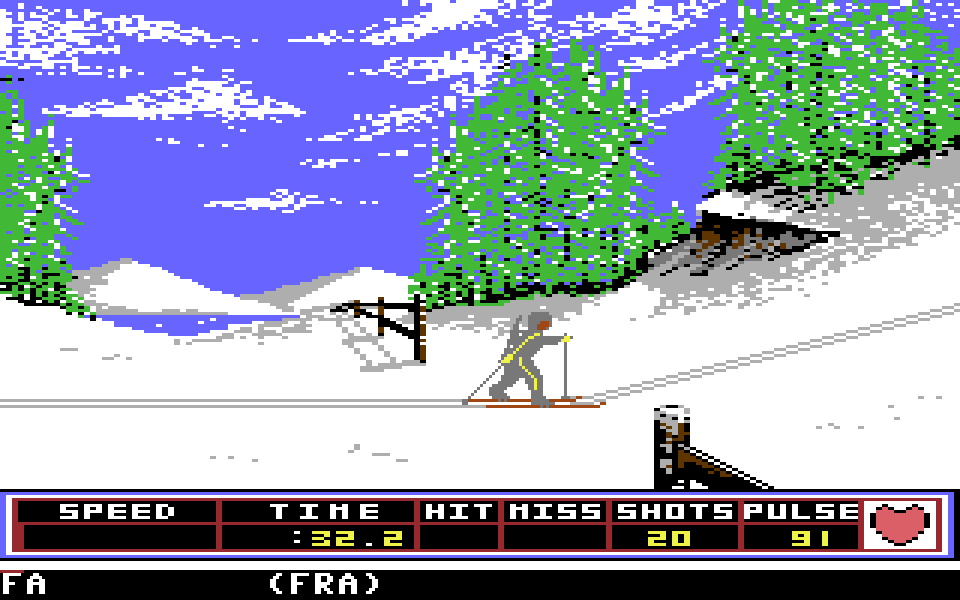
The top image uses the Colodore palette, which is measured from a real C64. The bottom one is an approximation of what a PAL TV did to the picture. It's not a measurement of a real TV, but it's much closer to what I remember.
In the arcades
Besides Out Run, 1986 gave the arcades Bubble Bobble from Taito, which I'll come back to, and Arkanoid, also from Taito, which took Breakout and added power-ups. Ikari Warriors from SNK let two players fight their way through the jungle together (it also happened to be one of the first games I played on a C64), and Namco's Rolling Thunder was a spy game with a very cool style.
New companies
Ubisoft was founded in France in March, Bethesda Softworks in the US in June, and FromSoftware in Japan in November. None of them made anything I played at the time, but all three would become big later. Activision also bought Infocom, the text adventure company, in June.
My favourites from 1986
As in the last post, I list each game under the year it first came out, not the year I played it.
Gunship
C64, 1986 (MicroProse)
Screenshots: Lemon64
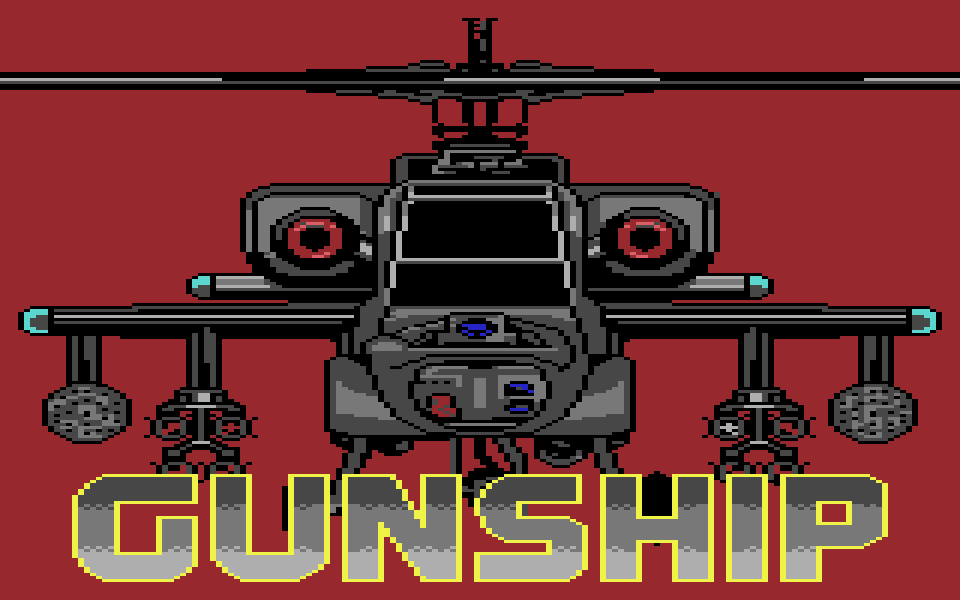
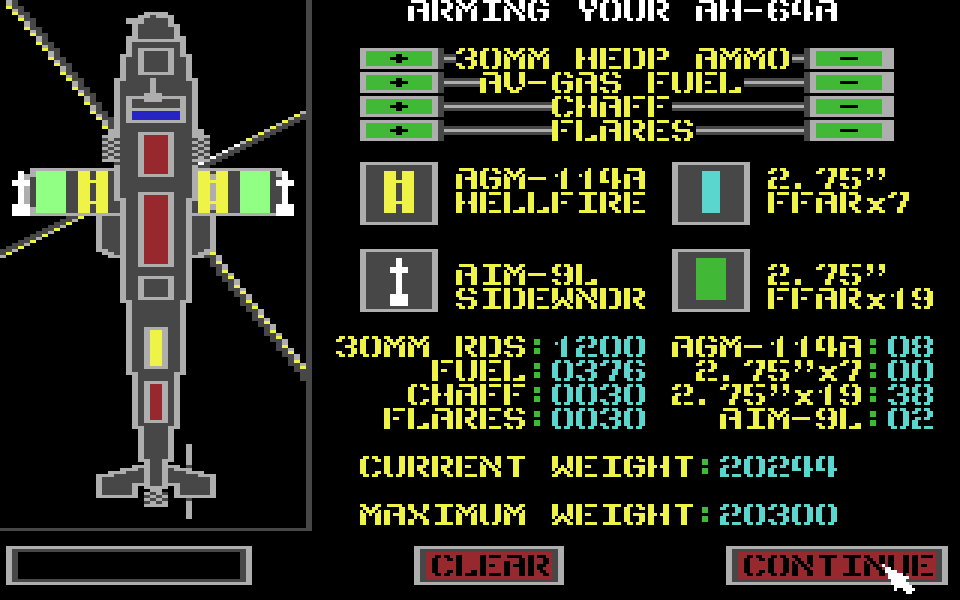
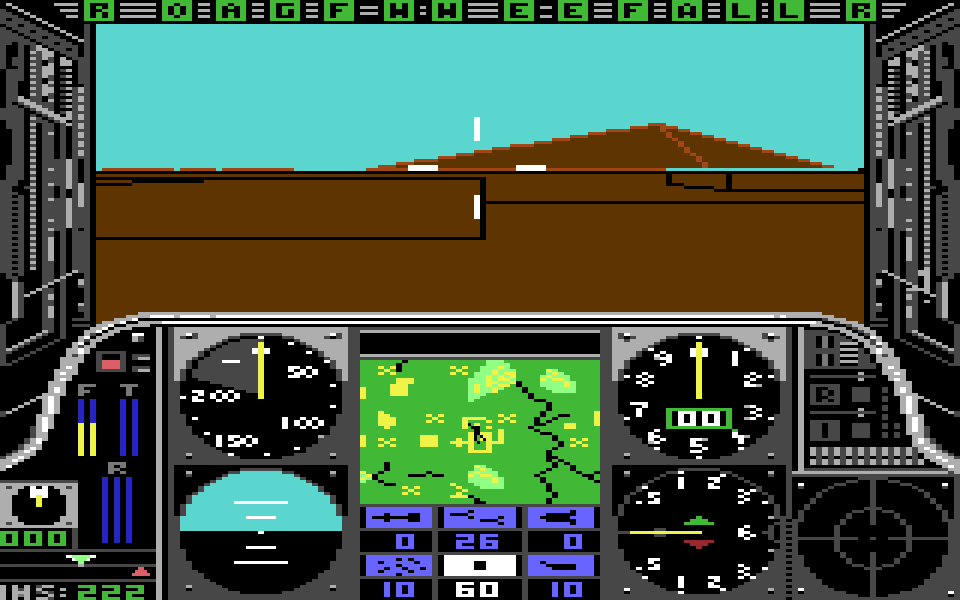
You fly an AH-64A Apache attack helicopter on missions in Southeast Asia, Central America, the Middle East and Western Europe. Arnold Hendrick and Andy Hollis designed it, and it had the usual MicroProse depth: you chose your weapons, your pilot survived between missions and got promoted and decorated, and the realism settings let you choose how hard it was to fly. It had sold more than 500,000 copies by 1989. This was my introduction to combat flight sims. It was very advanced for its time, but still easy to get into.
The Swedish magazine Datormagazin reviewed it in issue 2 of 1987 and gave it 4 out of 5. The reviewer praised the 80-page manual but warned that it was only in English and "nothing for someone who doesn't master fairly advanced English". I think a lot of people improved their English by reading those MicroProse manuals.
The MicroProse manuals deserve a mention of their own, because they were crazy for the time. Gunship came with an 80-page operations manual, a keyboard overlay and a catalogue of MicroProse's other games. Only the first half of the manual was about playing the game. The second half, the "Apache Pilot's Manual", covered aerodynamics, weapons and tactics, how to recognise enemy vehicles and the regions you flew in, and ended with a glossary. It read more like a military handbook than a game manual. It was also part of the copy protection: before you got to fly, the game asked you to identify a vehicle from the pictures in the manual, so a copied disk wasn't much use without it. MicroProse kept doing this for many of their games, and I actually learned a few things from those manuals.
The keyboard overlay was a card you put on the keyboard that showed what each key did. A helicopter sim needed far more controls than a joystick with one button could give you, so the keyboard became part of the cockpit.
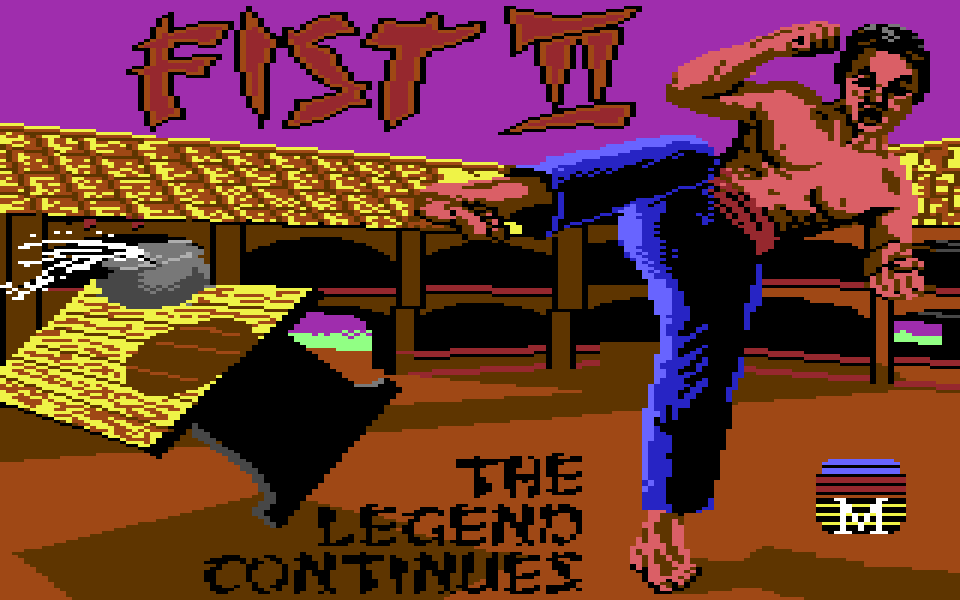
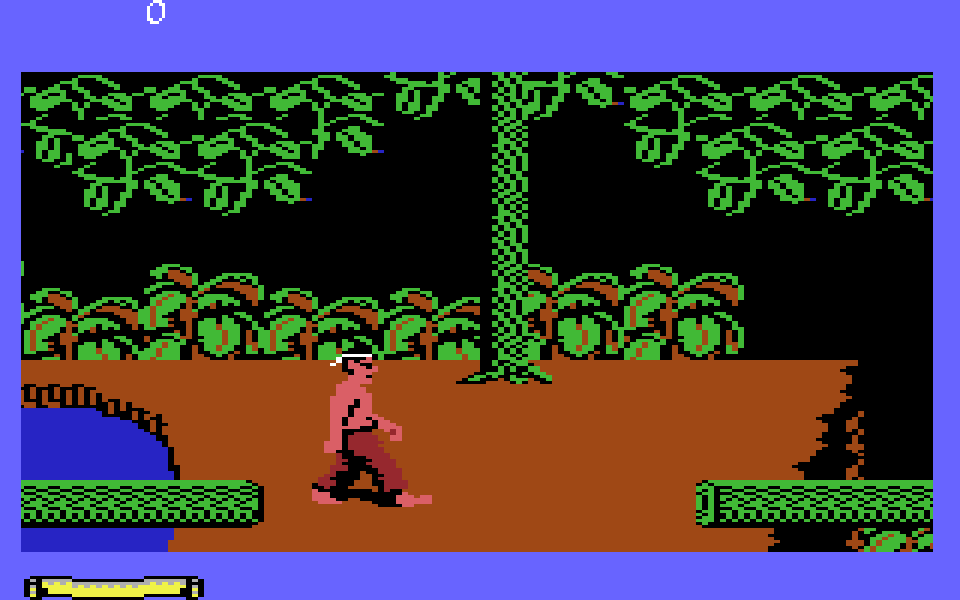
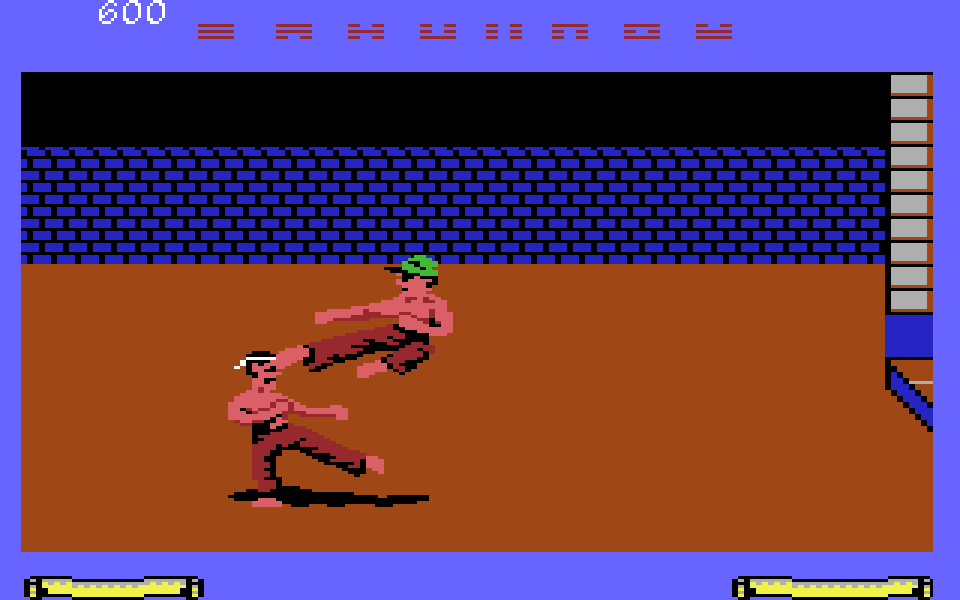
Fist II: The Legend Continues
C64, 1986 (Melbourne House)
Screenshots: Lemon64
The follow-up to The Way of the Exploding Fist. Instead of a tournament, you walk through a world of forests, temples and caves, fighting whoever you meet, on your way to succeed the great master.
Datormagazin wasn't impressed. In issue 4 of 1986, the reviewer wrote that many would be disappointed, that it was too slow and that you could no longer play two players. It cost 129 kronor on tape and 179 on disk. Personally, I still loved it.
World Games
C64, 1986 (Epyx)
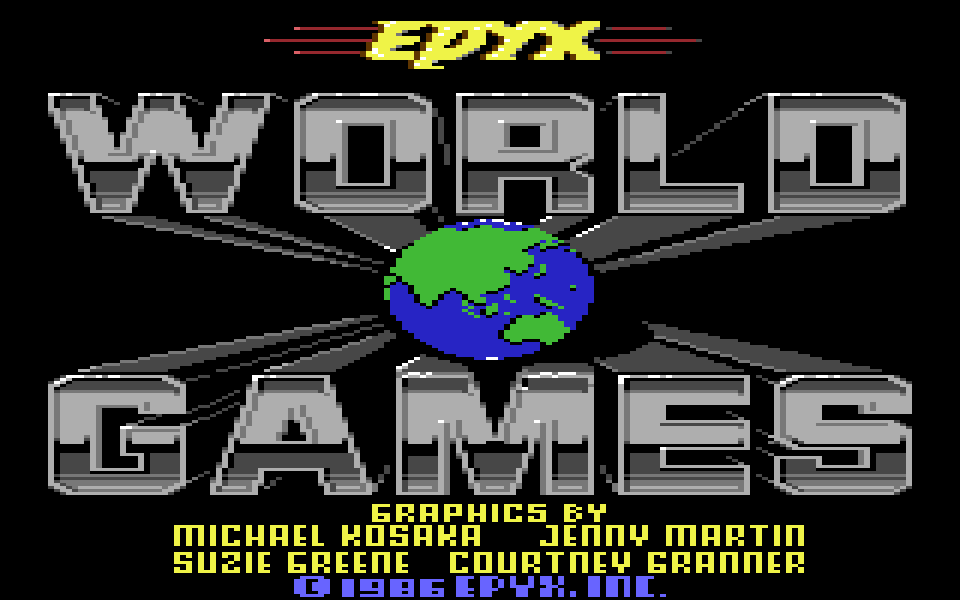
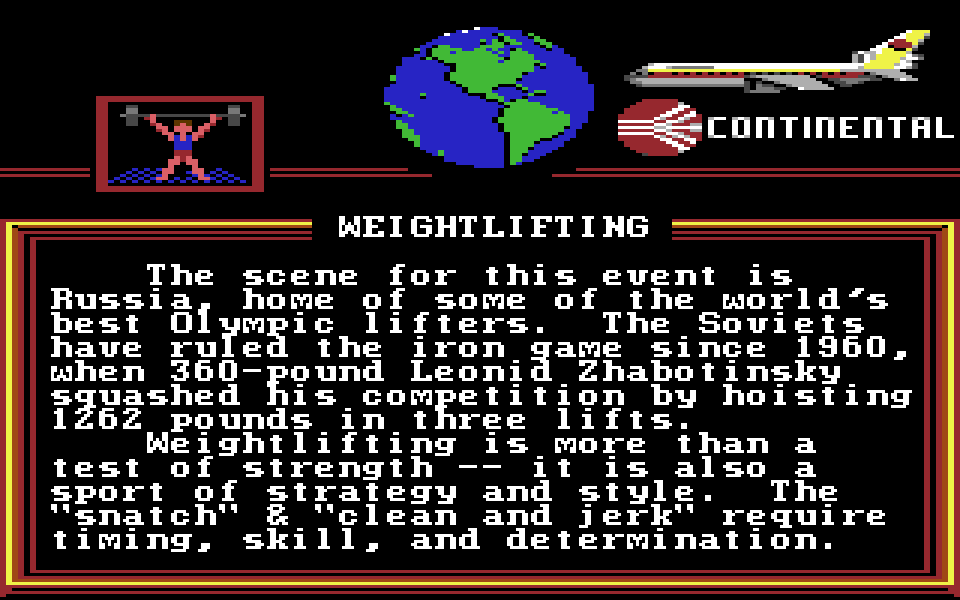
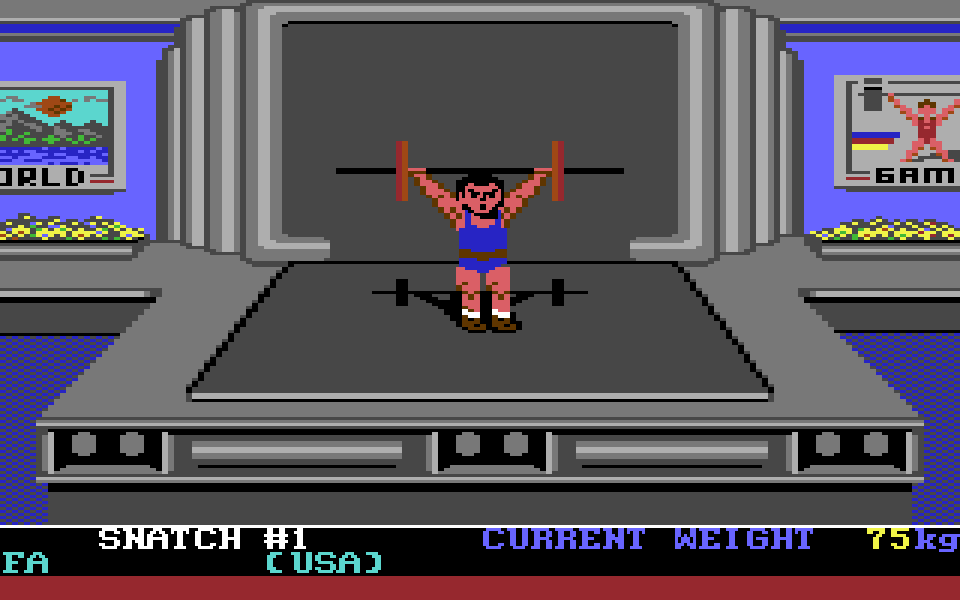
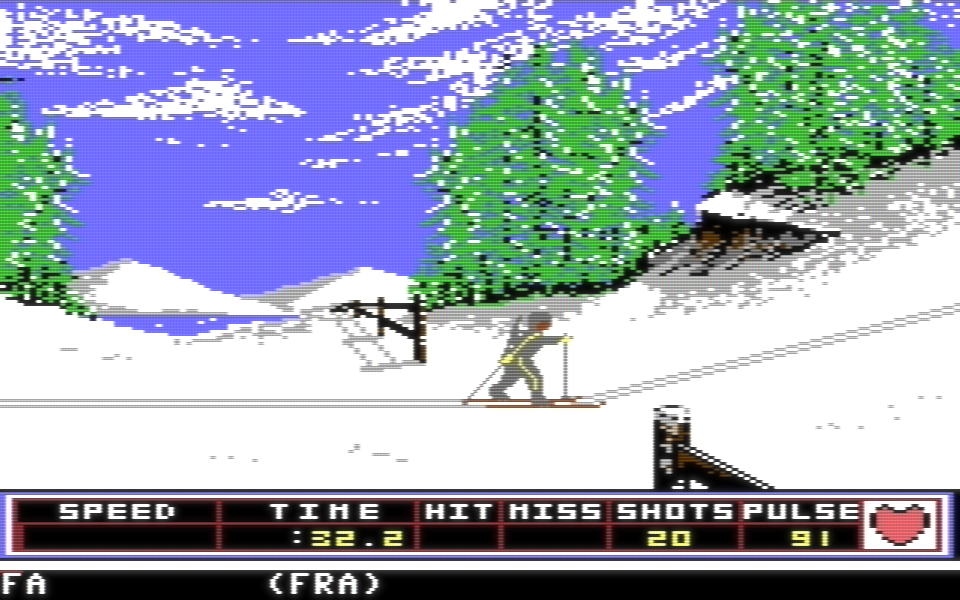
Epyx's third game in the series took you around the world: weightlifting in the Soviet Union, slalom in France, log rolling in Canada, cliff diving in Mexico, caber toss in Scotland, bull riding in the US, barrel jumping in Germany and sumo wrestling in Japan.
This was my first Epyx game, and I bought it myself in early 1988.
Defender of the Crown
Amiga, 1986 (Cinemaware)
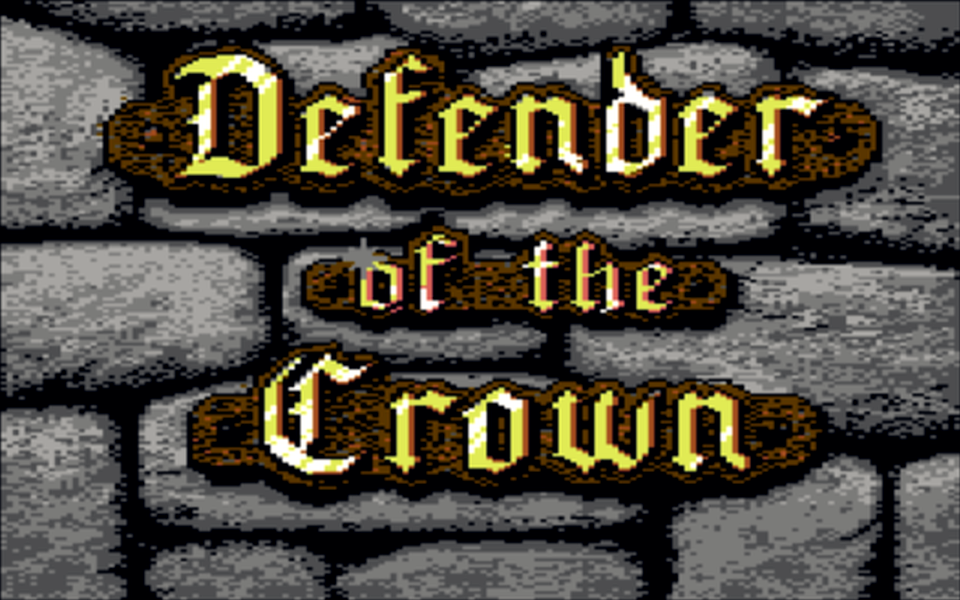
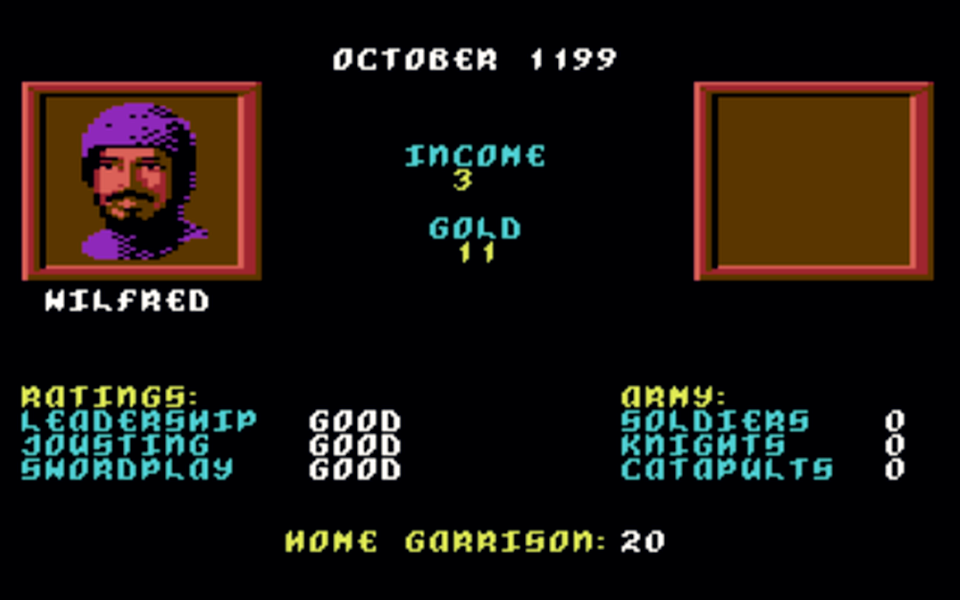
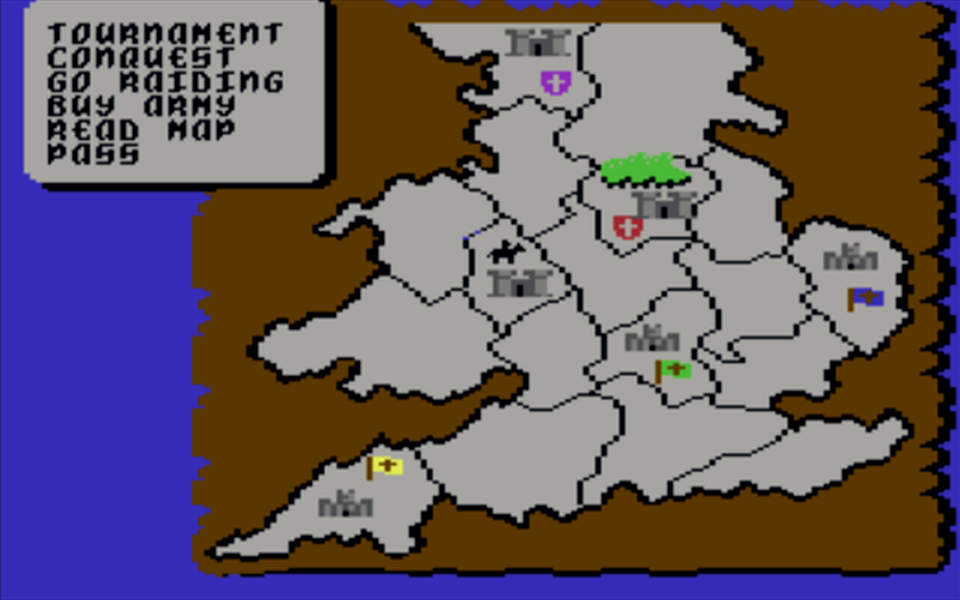
England after the death of the king, with Saxons and Normans fighting over the throne. You conquer territories on a map, raise armies, lay siege to castles with a catapult, joust at tournaments and rescue ladies in distress. Jim Sachs's graphics on the Amiga looked like paintings. The C64 version came in 1987 and couldn't match it, but it was still a very good-looking C64 game. If I remember correctly, it also fixed some of the Amiga version's problems, and that seems to be right. Cinemaware had shipped the Amiga original early because it needed the money, with several features cut, and most of the later versions turned out to be better games.
The Legend of Zelda
NES, 1986 (Nintendo)
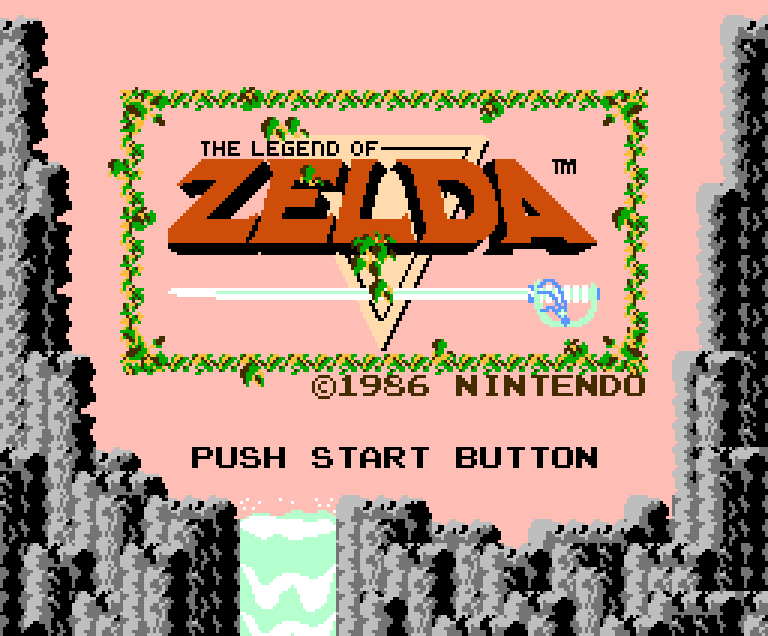
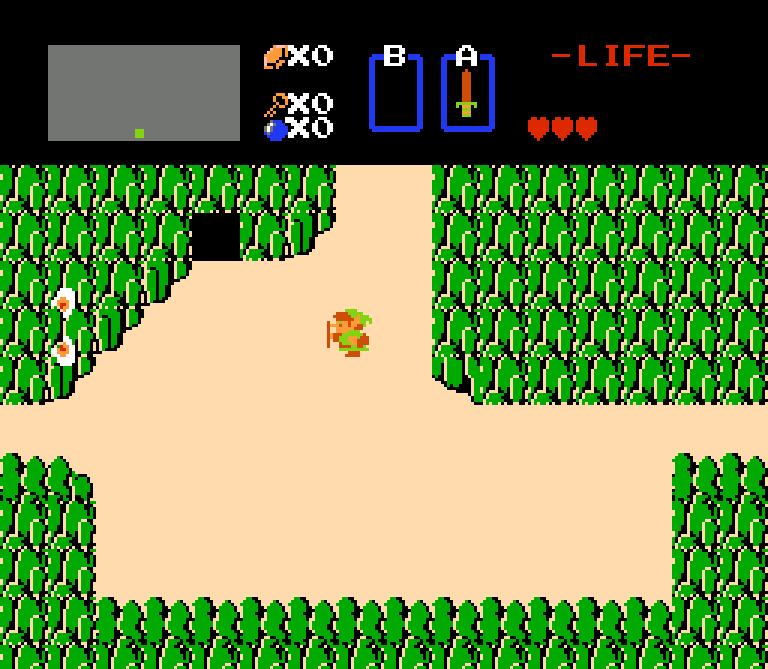
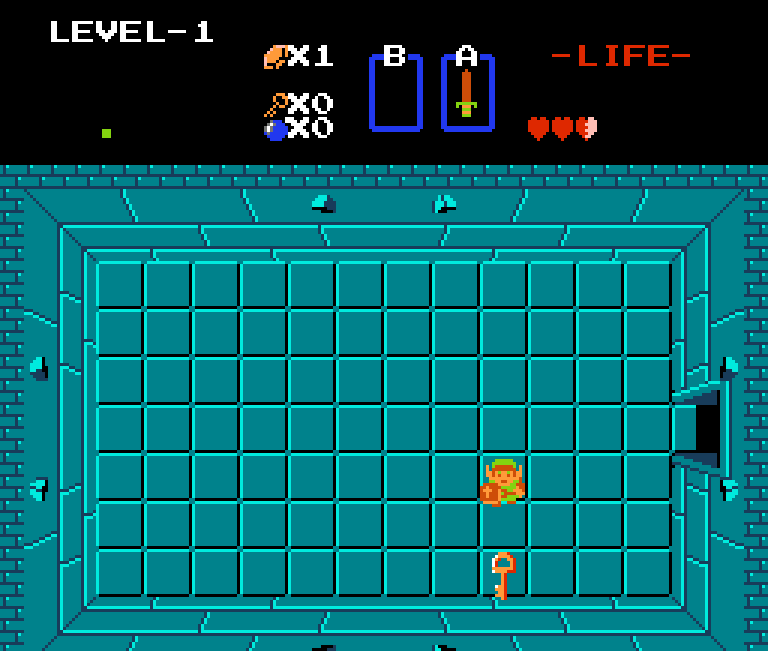
Link, a sword, and an open world full of secret caves, dungeons and hidden paths. You could save your progress, which was a big deal in 1986. Outside Japan it came on a gold-coloured cartridge, which made it feel special before you even put it in the console.
It reached Sweden for Christmas 1987. It wasn't love at first sight for me, but the game grew on me, and in the end I loved both Zelda and Zelda II.
Kid Icarus
NES, 1986 (Nintendo)
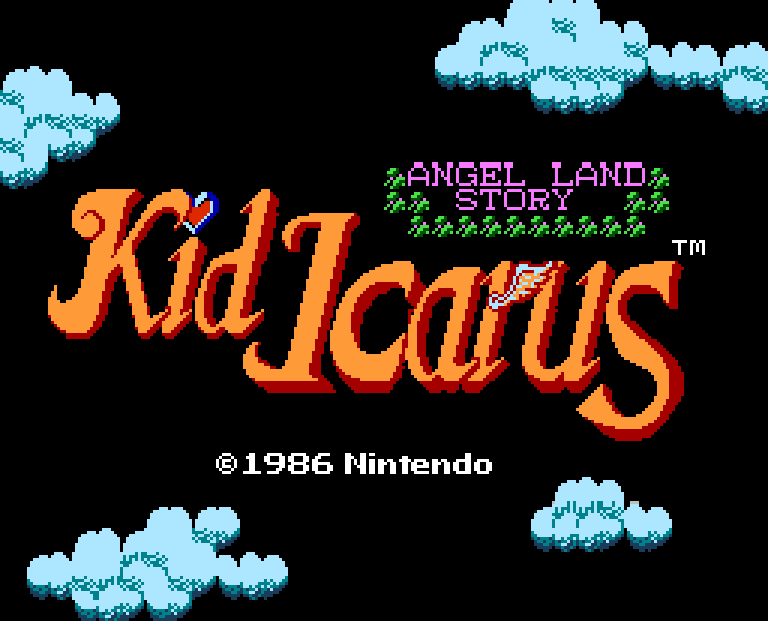
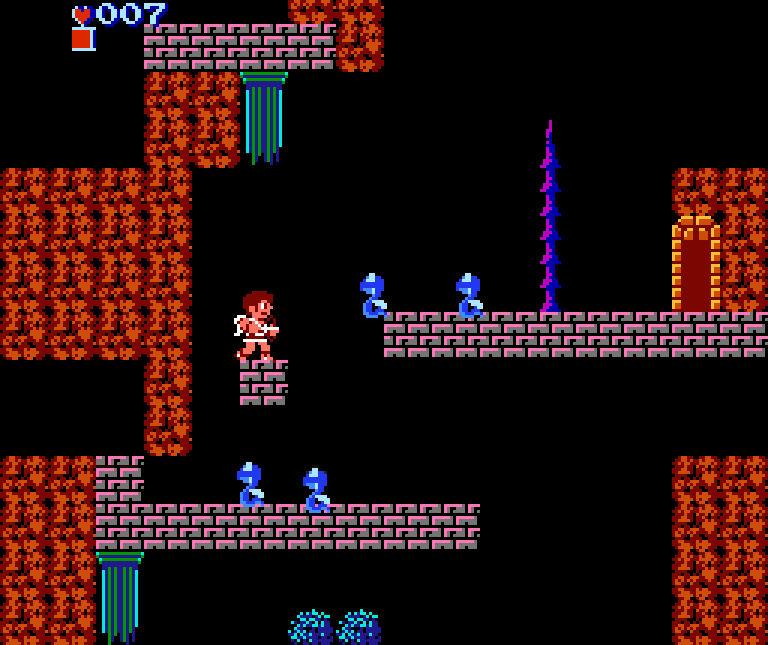
You play Pit, an angel who has to rescue the goddess Palutena from the underworld. The levels mostly go upwards instead of sideways, and between them are dungeon-like fortresses with mazes. It's hard, especially at the start.
I have very fond memories of this game. I had a lot of fun with it when I borrowed a NES from a friend for a few weeks. That was also when I fell in love with The Legend of Zelda.
Pro Wrestling
NES, 1986 (Nintendo)
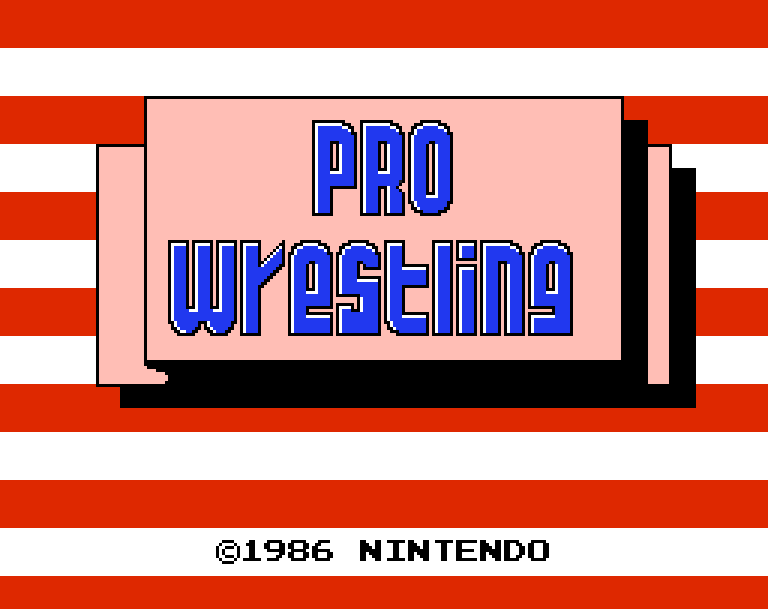
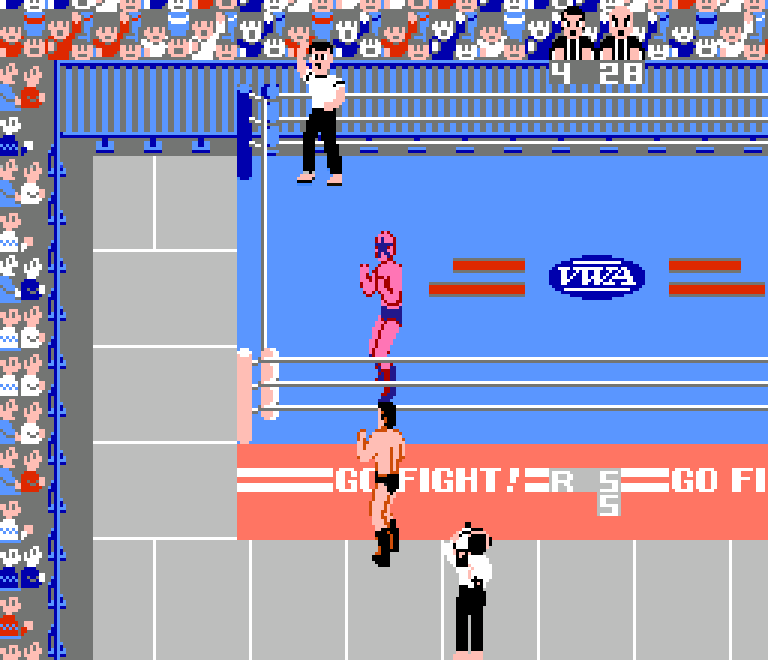
Six wrestlers, each with their own special moves, a referee in the ring, and even a cameraman and commentators at ringside, which no wrestling game had done before. It came out on the Famicom Disk System in Japan in October 1986, was number one in the US for about two months, and reached Europe in September 1987.
I played this one a lot, on a borrowed NES and at my friend's house. It's a lot of fun, and I still have the music in my head, along with a few other classic game soundtracks. I actually remember completing it with a friend, taking turns and playing every other match. I can't remember how we dealt with the last one.
Bubble Bobble
Arcade, 1986 (Taito)
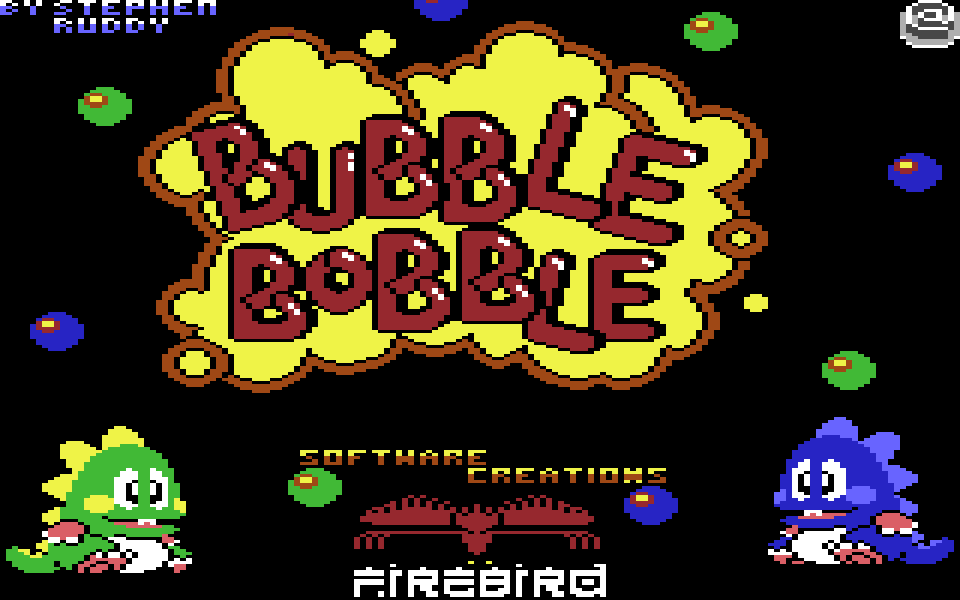
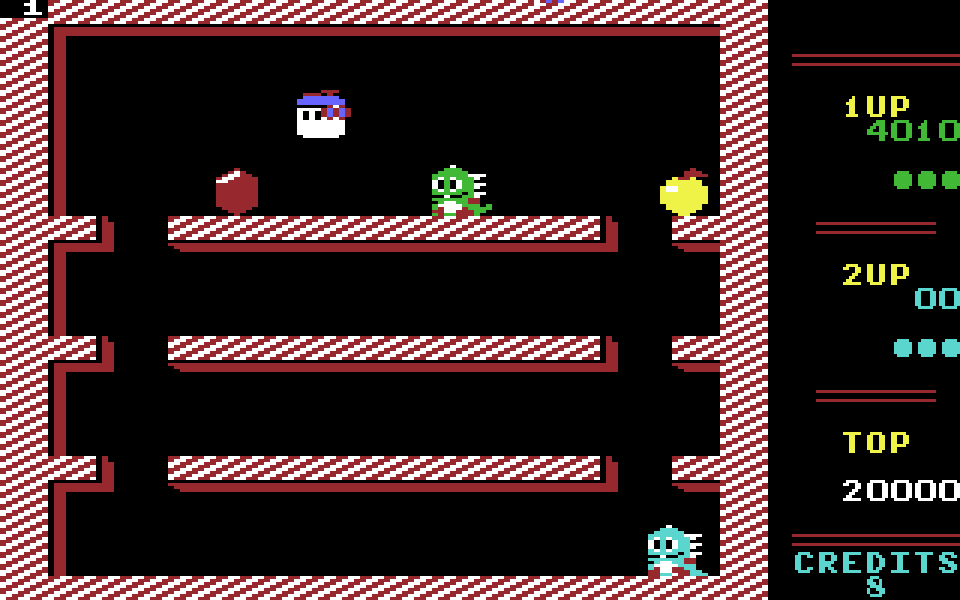
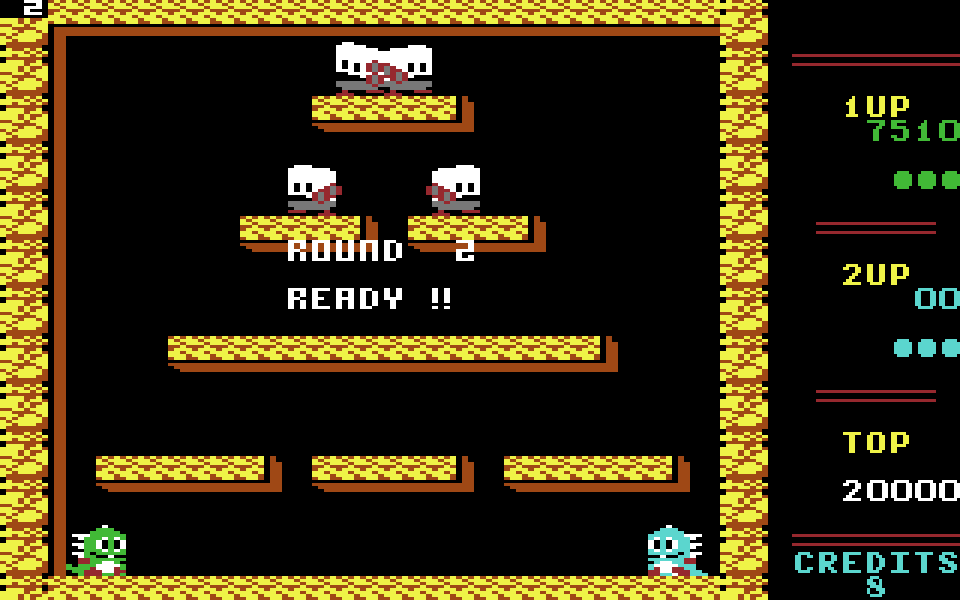
Two small dragons, Bub and Bob, blow bubbles to trap enemies and then burst them. There are 100 levels, and the game was built for two players at the same time. You only get the real ending if you play the whole game with two players. Firebird released the C64 version in 1987.
This is my favourite of the longer arcade-style games. I completed it on the C64 together with a friend, and I still remember some of the tough levels. Datormagazin's reviewer in 1987 thought it was a "very monotonous platform game" that would have been fine in 1982. I couldn't disagree more.
Sources
- 1986 in video games (Wikipedia)
- Family Computer Disk System (Wikipedia)
- The Legend of Zelda (Wikipedia)
- Dragon Quest (Wikipedia)
- Metroid (Wikipedia)
- Castlevania (Wikipedia)
- Kid Icarus (Wikipedia)
- NES 30 år i Sverige! (Retrospelsmässan)
- NES Sverigelansering fyller 40! (Varvat)
- NES - min historia (Svampriket)
- 1988: Konsolerna tar över (Spelbloggen)
- Master System (Wikipedia)
- Out Run (Wikipedia)
- Sinclair Research (Wikipedia)
- Uridium (Wikipedia)
- Leader Board (Wikipedia)
- Golden Joystick Awards (Wikipedia)
- Defender of the Crown (Wikipedia)
- Defender of the Crown (The Digital Antiquarian)
- Colodore palette (colodore.com)
- Pro Wrestling, NES (Wikipedia)
- Bubble Bobble (Wikipedia)
- Arkanoid (Wikipedia)
- Ikari Warriors (Wikipedia)
- Rolling Thunder (Wikipedia)
- Ubisoft (Wikipedia)
- Bethesda Softworks (Wikipedia)
- FromSoftware (Wikipedia)
- Infocom (Wikipedia)
- Gunship (Wikipedia)
- Gunship computer game (Smithsonian, National Museum of American History)
- Gunship C64 manual (Internet Archive)
- Fist II: The Legend Continues (Spectrum Computing)
- World Games (Wikipedia)
- Datormagazin nr 3/1986, s. 5 (Epyx in Stockholm), nr 4/1986, s. 45 (Fist II review), nr 2/1987, s. 12 (Gunship review), nr 3/1987, s. 5 (Golden Joystick, C64 sales), nr 9/1987, s. 16 (Bubble Bobble review) and nr 10b/1987, s. 32 (Sega ad), via DMZArkivet