This is part 5 of my series on the history of computer games. Start with part 1, which covers everything up to 1980.
1987 is the year I finally got my own computer. It was a combined Christmas and birthday present, a Commodore 128 with a tape recorder, and nothing was the same after that. It's also the year the C64 peaked, at least for me. Looking back at the games that came out in 1987, I can't believe how many of my favourites are from this one year. The fact that I got a C128 instead of a NES, or even a C64, probably changed my life. It made me start programming earlier than I otherwise would have. I'm not sure how much it helped me in the end, but at least I learned the joy of experimenting with computers early on. It's easily one of the best Christmas presents I've ever had!
It's also the year the Amiga became a home computer, the year Nintendo's big games finally reached Swedish shops, and the year a new generation of games started in Japan with Final Fantasy, Metal Gear and Mega Man.
The Amiga 500
Commodore announced two new Amigas at CES in Las Vegas in January 1987: the Amiga 2000 for professionals and the Amiga 500 for the home. At the CeBIT fair in Hannover in March, they were the stars of Commodore's stand. Datormagazin's reporter counted 15 Amiga 500s and 20 Amiga 2000s on Commodore's stand, and there was a rumour going around the fair that the 500 would come with a C64 built in. It didn't.
The Amiga 500 had half a megabyte of memory, a built-in 3.5" disk drive, 4,096 colours and stereo sound, all in a keyboard case that looked like a big C64. In Sweden it cost 6,495 kronor. Datormagazin pointed out that this was only 200 kronor more than a C128D, and predicted that the C128 would be dead within six months at that price. A C64 cost 2,295 kronor at the time.
By the summer of 1987, Commodore Sweden had sold 4,000 Amiga 500s. That doesn't sound like much compared to the C64, of which there were around 120,000 in Swedish homes by then, along with 22,000 C128s. But the Amiga would take over, just not for me yet. I played my first Amiga games at a friend's house later, and I didn't get my own Amiga until the 90s.
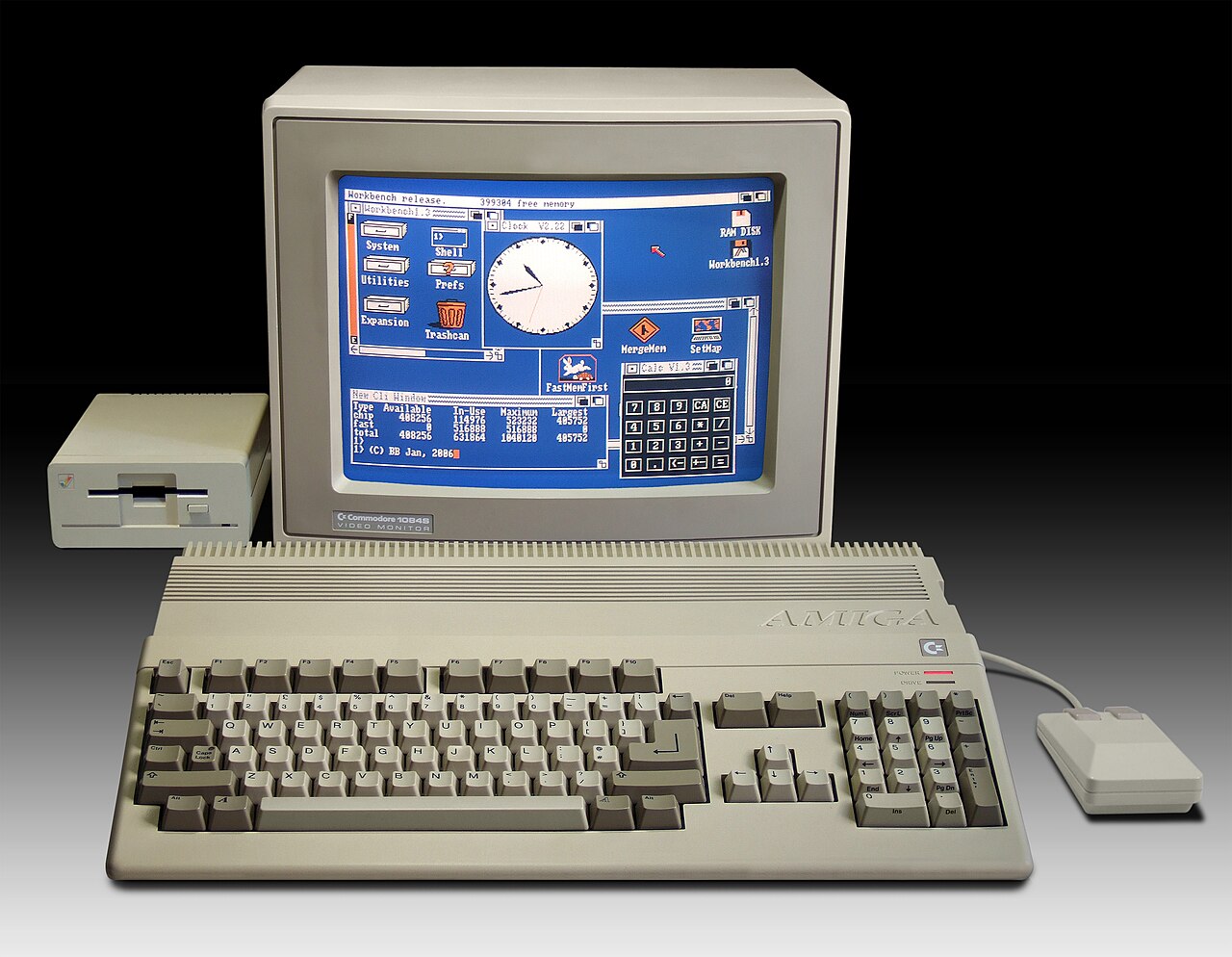
Photo: Bill Bertram, CC BY-SA 2.5, via Wikimedia Commons
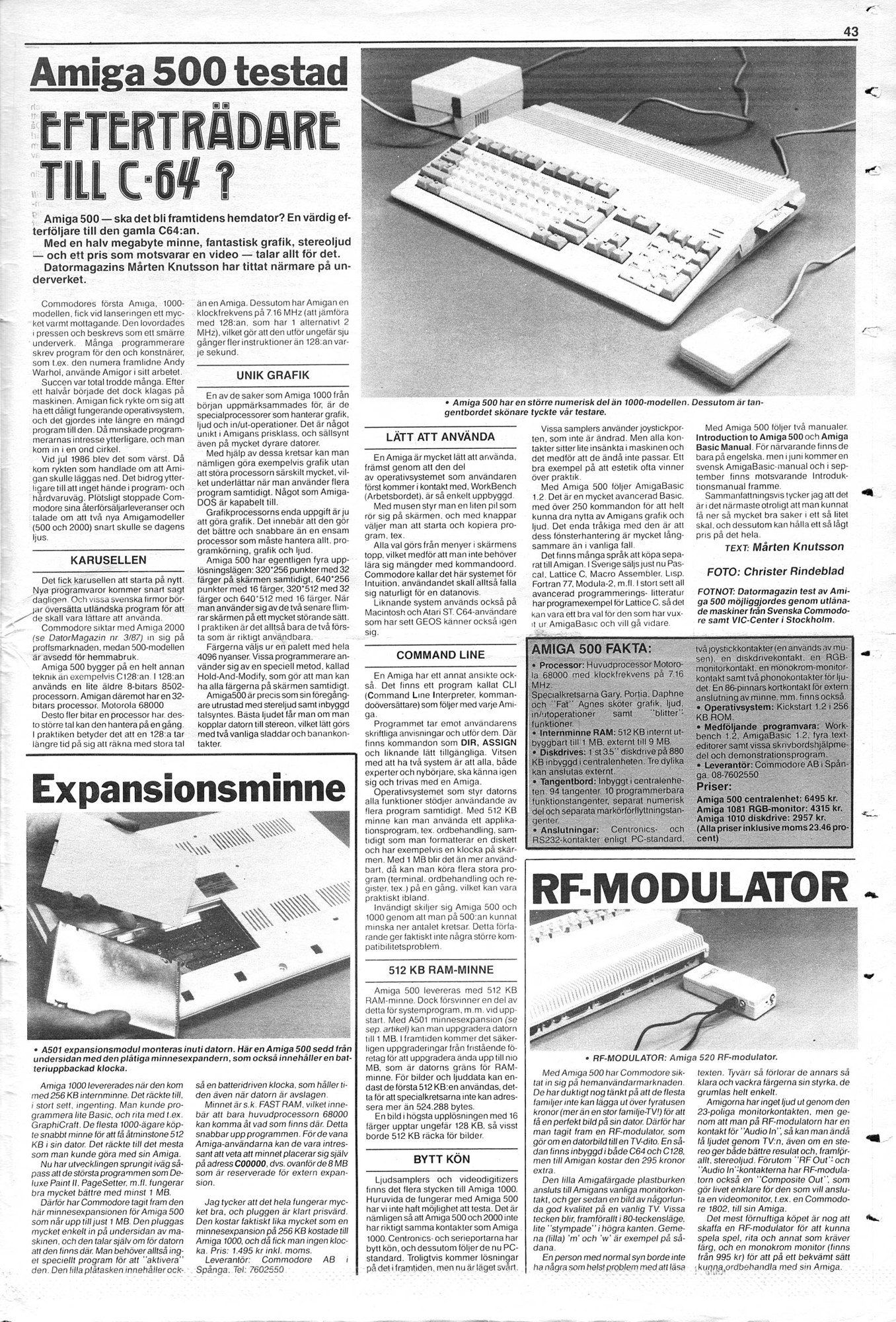
Datormagazin tested the Amiga 500 in issue 4-5 of 1987 and asked if it was the successor to the C64. Scan: Datormagazin, via DMZArkivet
In the arcades
1987 was a great arcade year. Konami's Contra came out in February, Irem's R-Type in July, and Capcom released the first Street Fighter in August. Nobody remembers the first one today, but without it there would be no Street Fighter II. Taito's Operation Wolf had a gun mounted on the cabinet, Sega's After Burner sat you in a moving cockpit, and Technōs Japan's Double Dragon let two players beat up street gangs together.
Konami's Combat School was also a 1987 arcade game, and I'll come back to it.
A new generation starts in Japan
In Japan, 1987 gave us the start of three series that are still going:
- Metal Gear by Hideo Kojima, for the MSX2 computer, July 13. A game where you were supposed to avoid the enemies instead of shooting them.
- Mega Man from Capcom, December 17.
- Final Fantasy from Square, December 18.
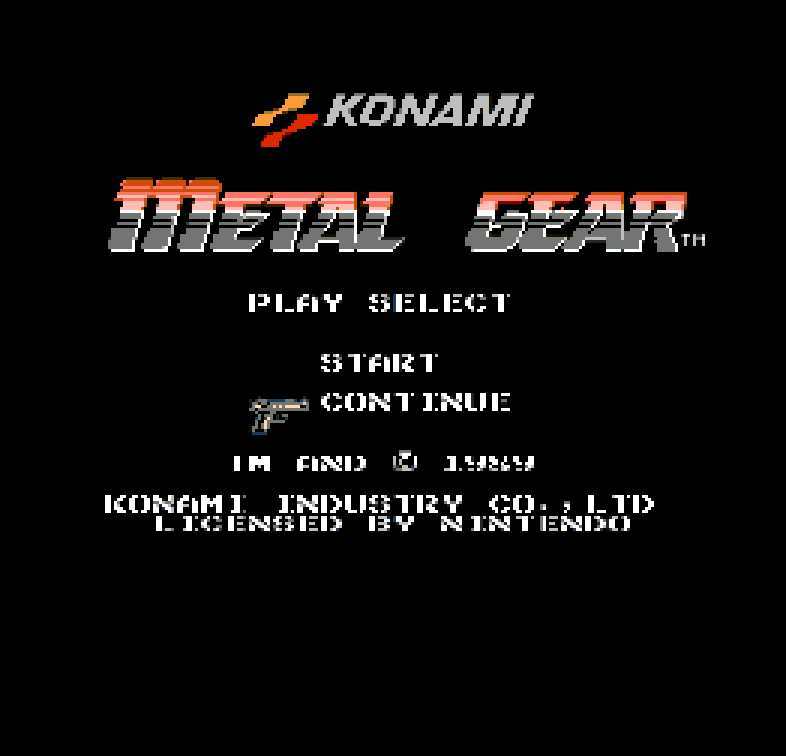
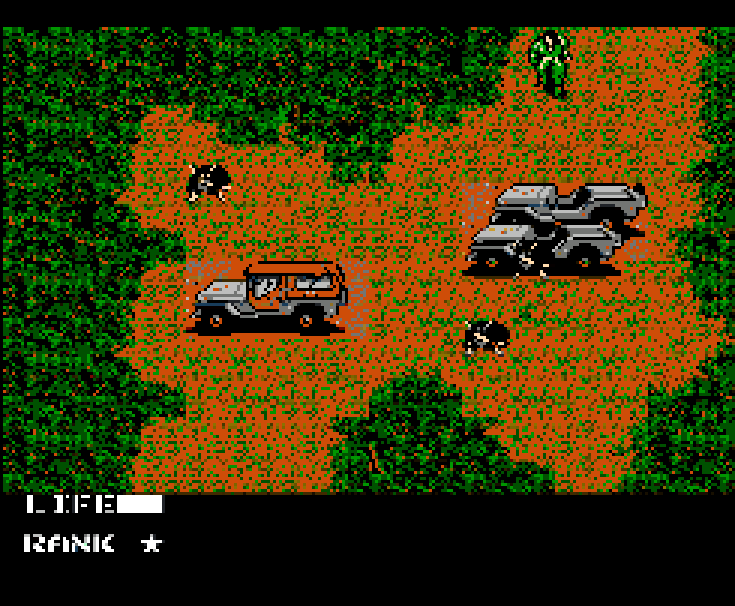
Metal Gear on the NES. The original came out on the MSX2, but the NES version, which reached Europe in 1989, was the one most of us saw.
On October 30, NEC released the PC Engine in Japan, the console that started the next generation. We'd see it as the TurboGrafx-16 in the US, and hardly at all in Sweden.
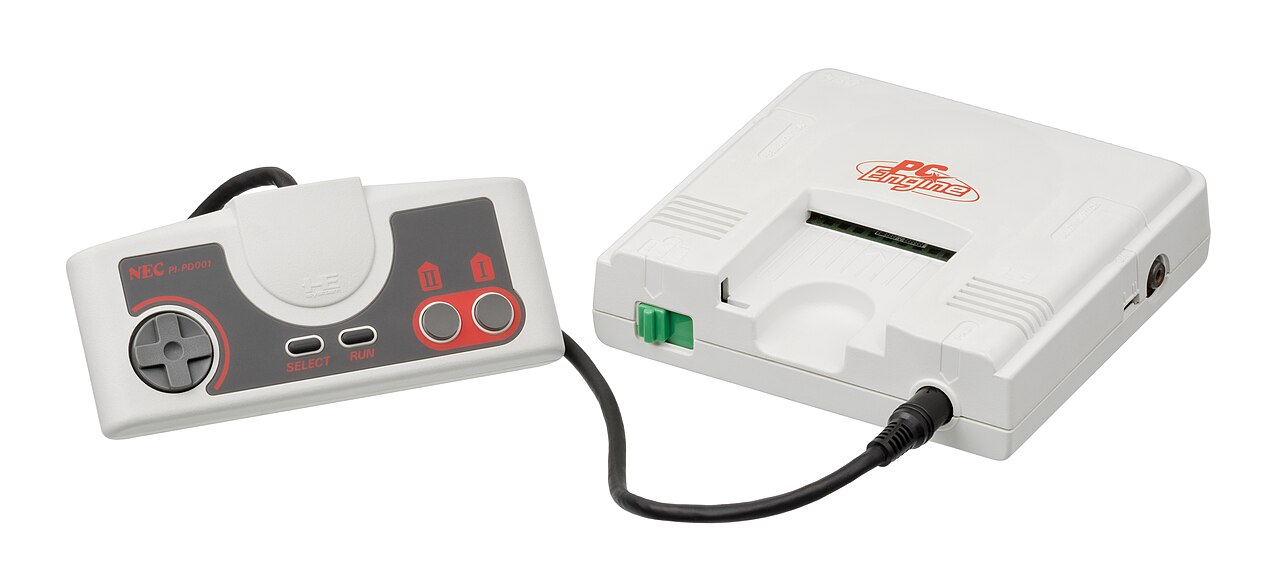
Photo: Evan-Amos, public domain, via Wikimedia Commons
Zelda II: The Adventure of Link also came out in Japan this year. More about that one below.
Adventures and RPGs on American computers
On the American computers, 1987 was a big year for adventure games. Sierra released Leisure Suit Larry in the Land of the Lounge Lizards in June, and in October Lucasfilm Games released Maniac Mansion, Ron Gilbert's adventure where you clicked on verbs instead of typing commands. The system was called SCUMM, and it was used for all of Lucasfilm's adventures in the years after, Monkey Island included. And it came out on the C64 first, together with the Apple II.
On December 15, FTL released Dungeon Master for the Atari ST, a real-time dungeon crawler in 3D that you controlled with the mouse. IBM launched the PS/2 in April with VGA graphics, which would matter a lot for PC games a few years later.
None of this reached me in 1987. It was disk only, often expensive, and it took time before these games came to Sweden.
The C64's best year
On the C64, 1987 was incredible. The Last Ninja, Wizball, Pirates!, California Games, IK+, Barbarian, The Great Giana Sisters, the C64 version of Out Run and many more all came out this year. Most of my favourites below are C64 games.
The best-selling game in the UK in 1987 was Out Run, with more than 350,000 copies across all formats by March 1988. The C64 version came out in December 1987. I couldn't find sales figures for Sweden, but someone who worked in a computer shop at the time has told me it was a big thing. I'd played the arcade machine before, and I bought the C64 version myself very early on. It came with the soundtrack from the arcade game on a separate cassette.
IK+ (International Karate +) from System 3, by Archer Maclean, is one of the classics of the year: three fighters on screen at the same time instead of two, a bonus round where you deflect bouncing balls with a shield, and a background with a fishing man and a periscope in the pond. Datormagazin called the graphics a masterpiece. I played it, but it never became one of my favourites.
Airborne Ranger from MicroProse came out in 1987 too. It felt like a more advanced and very promising action game, but I never got to play it enough. I played Skate or Die!, EA's first game made in-house, with music by Rob Hubbard, and Ocean's Platoon, but none of them became favourites.
What Datormagazin thought
Reading Datormagazin's reviews from 1987 today is fun, because they don't always agree with history. The two highest averages of the year were 4.8 out of 5, for Wizball and Star Paws. The Last Ninja got 4 and became a "Screen Star". Pirates!, which is in every list of the best games ever made, got 3.5.
Datormagazin also reported the British magazine Commodore Computing International's awards for 1987, where Pirates! was named simulation of the year and California Games sports game of the year.
Nintendo arrives in Swedish shops
The NES had been sold in Sweden since September 1986, but 1987 is the year it took off. Super Mario Bros. reached Europe in May 1987. The first NES game I ever played was Kung Fu, I think, or possibly Excitebike, rented and played at a friend's house. Super Mario Bros. was among the first ones too, but I think I played it for the first time when a friend and I rented a NES ourselves.
In the summer and autumn of 1987, I really wanted a NES.
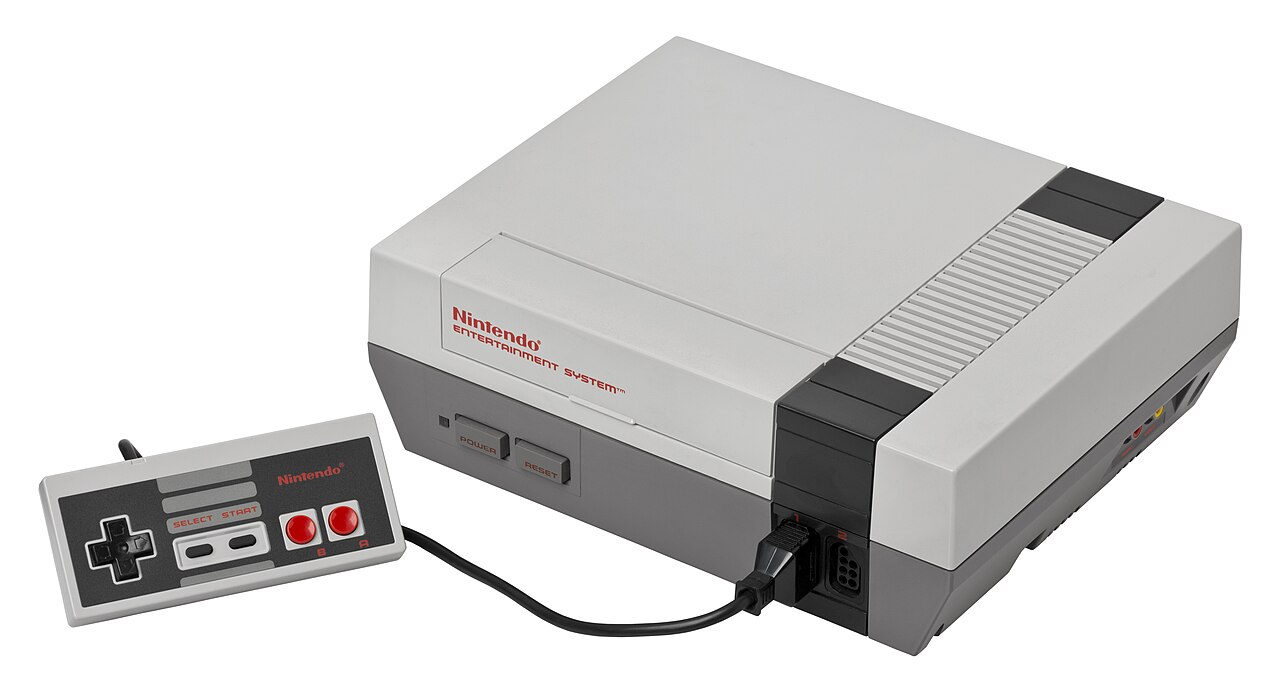
Photo: Evan-Amos, public domain, via Wikimedia Commons
For Christmas 1987 came the big ones: The Legend of Zelda on its gold cartridge and Punch-Out!!. By the end of 1987, just over 40,000 NES consoles had been sold in Sweden. But there was no NES under our tree. I got something else.
My Commodore 128
So, my C128 arrived on Christmas Eve 1987, with a tape recorder. The disk drive came a couple of years later.
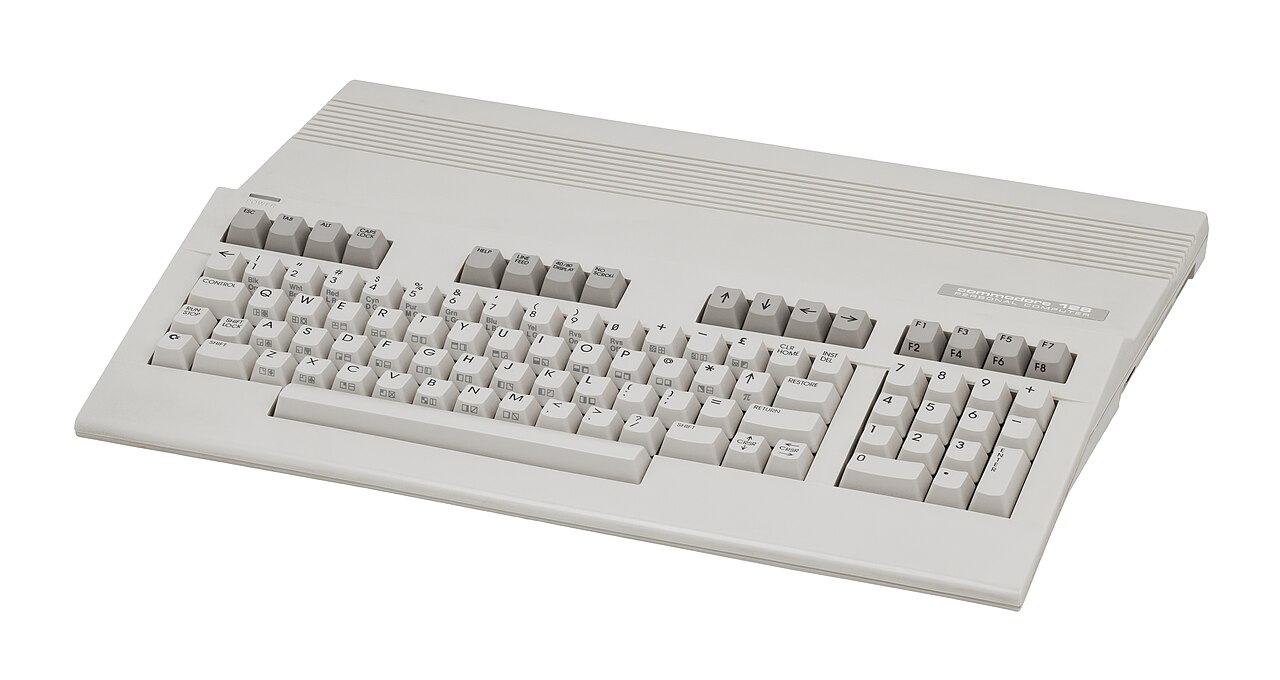
Photo: Evan-Amos, CC BY-SA 3.0, via Wikimedia Commons
The C128 was really three computers in one. It had its own C128 mode with BASIC 7.0 and 128 kilobytes of memory, a CP/M mode almost nobody used, and a C64 mode that ran nearly every C64 program. When you switched it on, it started in C128 mode:
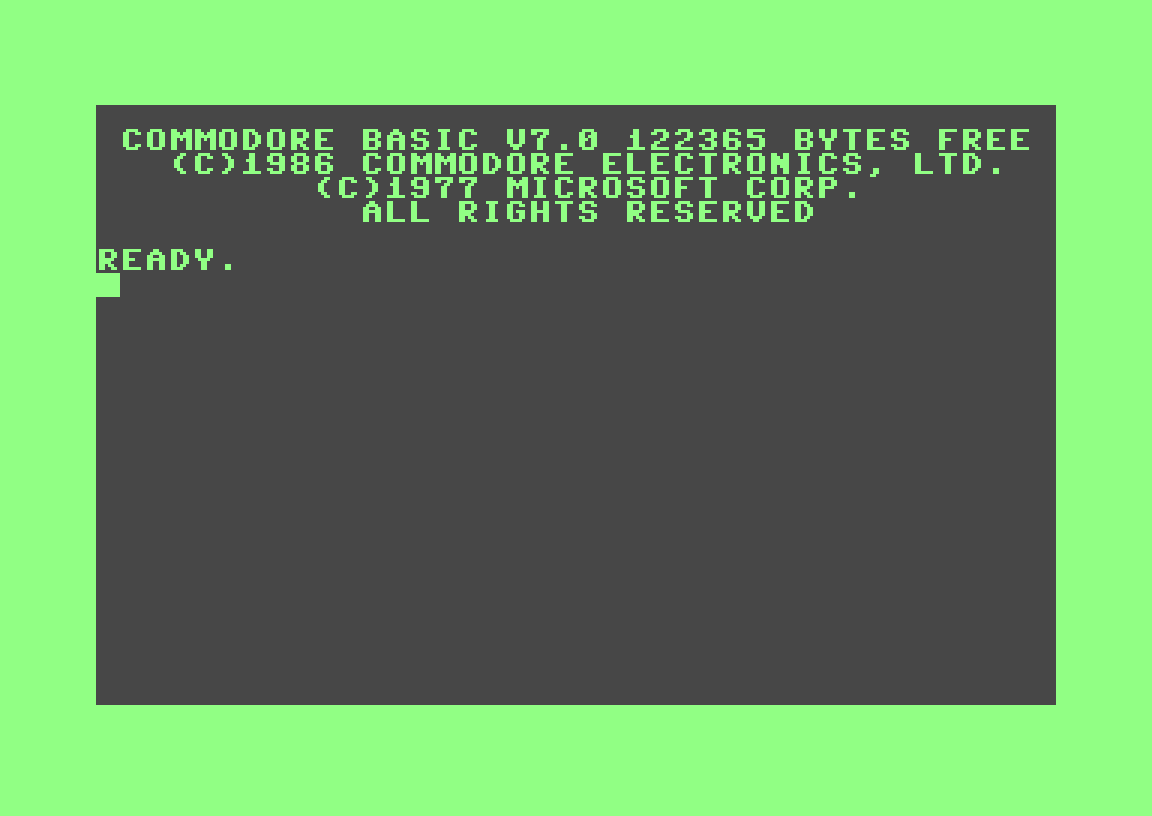
Notice the Microsoft line. Commodore's BASIC had always been Microsoft's BASIC, ever since Commodore bought a licence in 1977 for a one-off payment of about 25,000 dollars. Microsoft had asked for 3 dollars per computer, but Jack Tramiel refused with the famous line "I'm already married". Because of that deal, Microsoft's name never appeared on the PET, the VIC-20 or the C64. After Tramiel left Commodore in 1984, the company made a new deal with Microsoft, and the C128 was the first Commodore computer to show the name on the start screen.
To play games, you went to C64 mode. There were two ways to do it. You could type GO 64, and the computer would ask if you were sure:
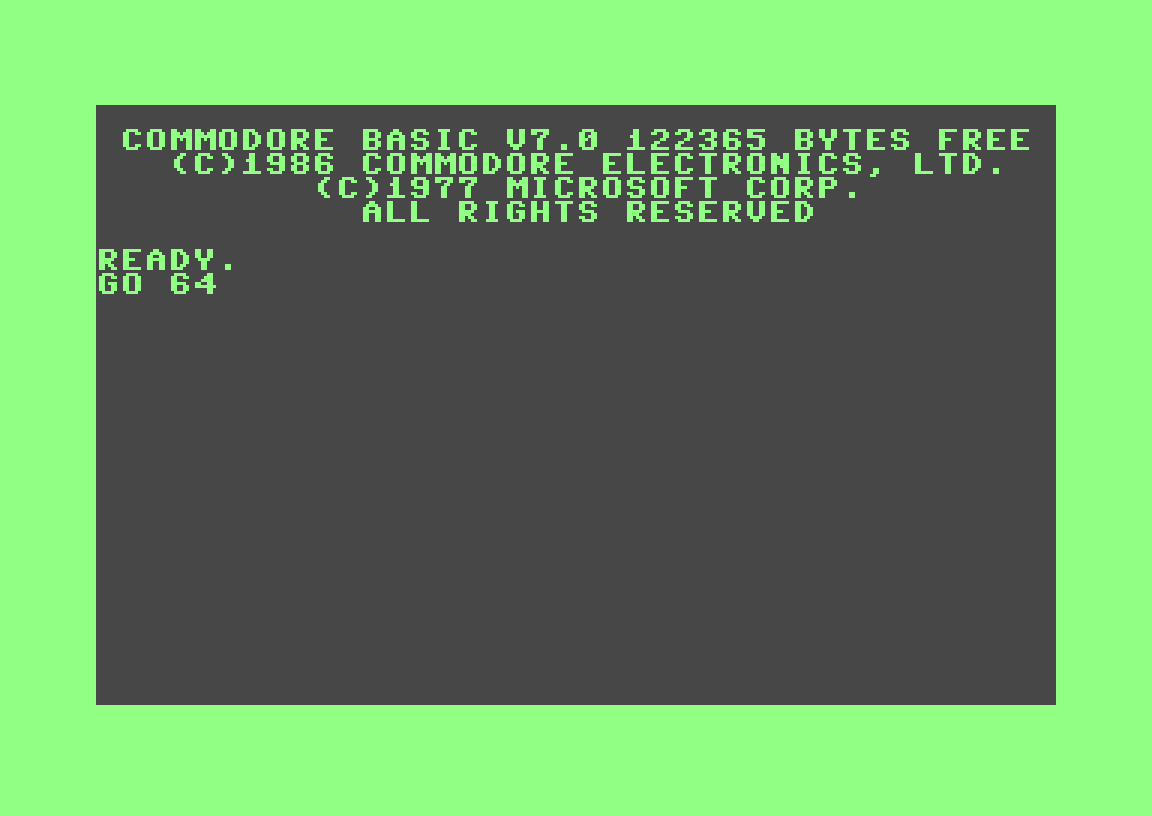
Or you could hold down the Commodore key while you switched the computer on, and it would start straight in C64 mode. Then you pressed SHIFT and RUN/STOP, and the screen every C64 owner with a tape recorder knows by heart appeared:
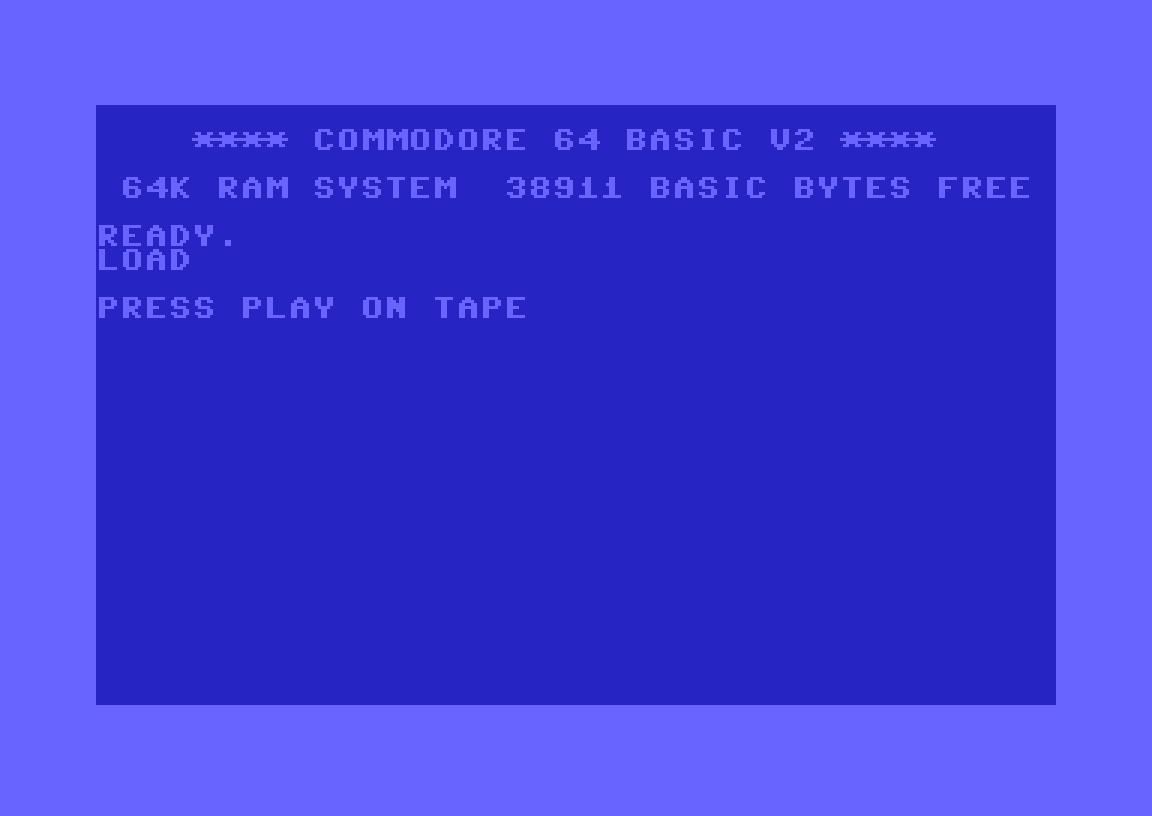
Then you pressed play and waited. And waited... A game could take several minutes to load from tape, and many games had loading music and pictures to make the wait bearable. You also had to wait between levels, or events in sports games. I don't remember for how long, but loading the next level of a game like Last Ninja took at least five minutes if I remember correctly.
I played games in C64 mode like everybody else, but I spent a lot of time in C128 mode too, because that's where I programmed. BASIC 7.0 had commands for graphics and sound that the C64 never had, so you could actually make things happen without filling the screen with POKEs. There was even a built-in sprite editor, started with the command SPRDEF.
My first games came on Ocean's Live Ammo compilation, with Rambo, Top Gun, Green Beret, The Great Escape and Army Moves. I can't remember if I got it for Christmas or bought it a few days later. Top Gun felt very basic compared to ACE, but I played them all.
My favourites from 1987
As in the earlier posts, each game is listed under the year it first came out. I got my C128 at the very end of 1987, so I played almost all of these in 1988 or later, and the Amiga games much later. But they came out in 1987, so this is where they belong. 1987 was such a great year, especially on the C64, that I couldn't bring myself to cut the list down.
Pirates!
C64, 1987 (MicroProse)
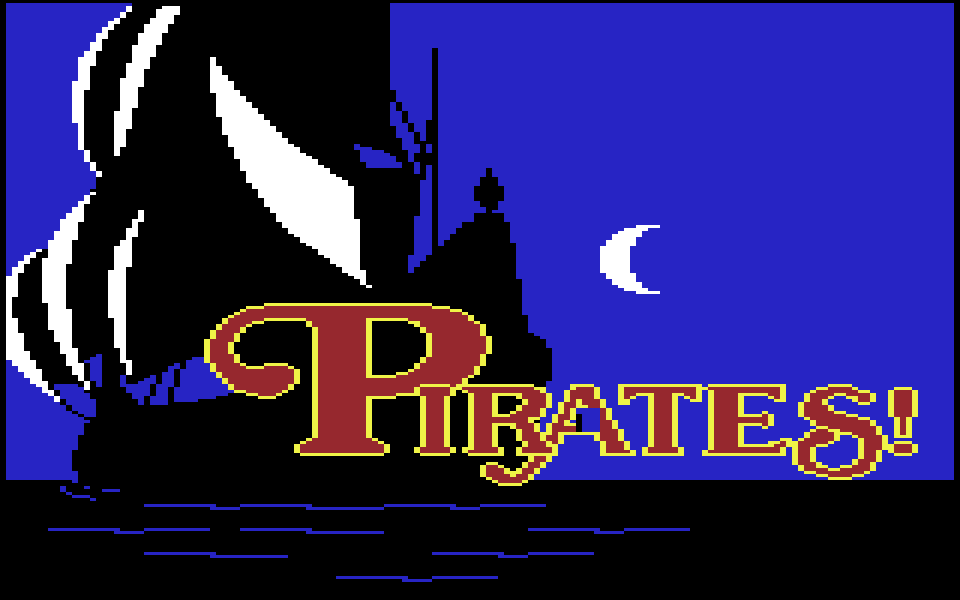
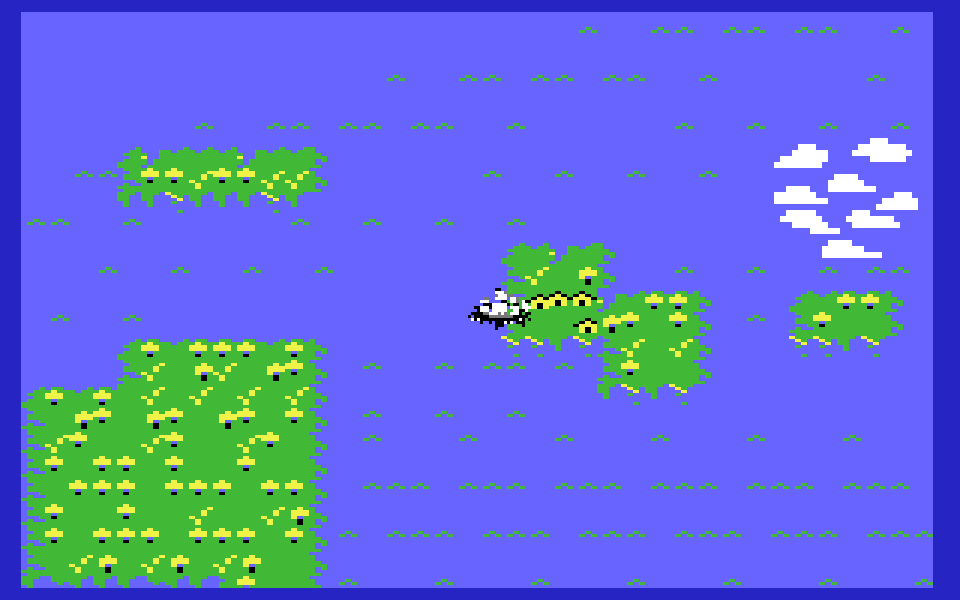
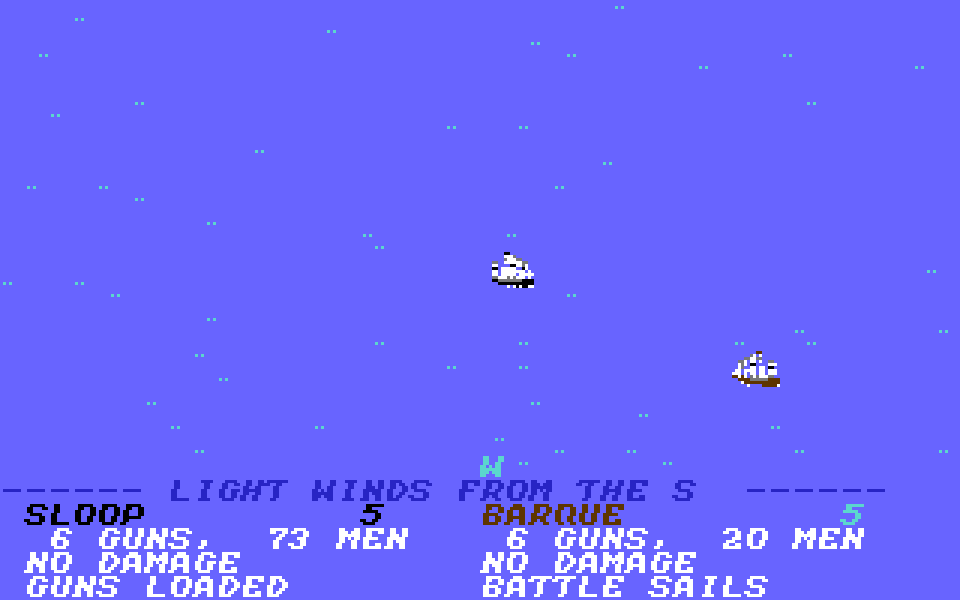
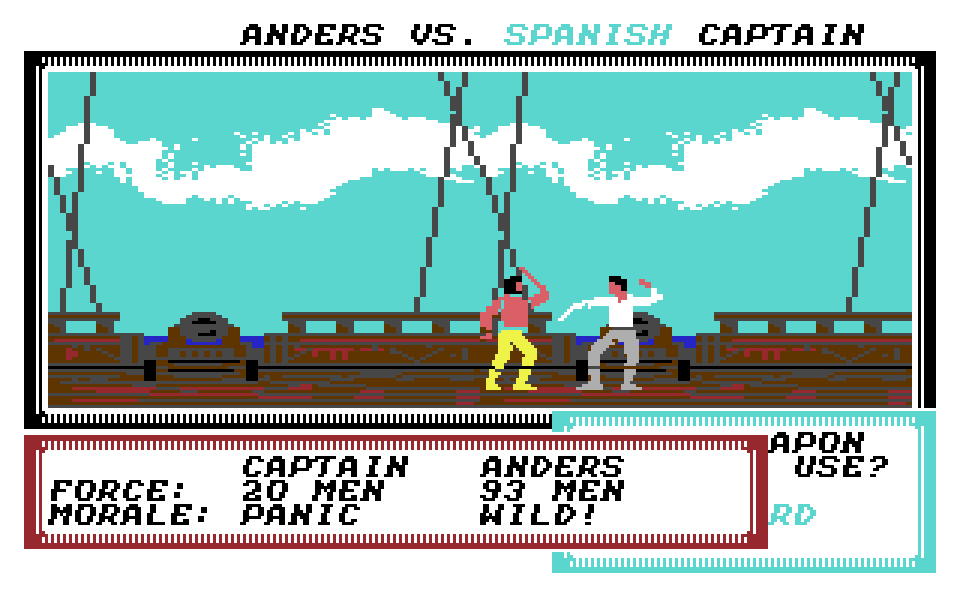
You're a privateer in the Caribbean in the 1600s. You sail between ports, trade (or at least sell what you plunder), take letters of marque from the English, French, Spanish or Dutch, attack ships and cities, fence with enemy captains, look for your lost family and hunt for buried treasure. Your career lasts as long as your health holds, and when you retire, the game tells you what became of you. It was the first game with Sid Meier's name in the title. According to MicroProse's Bill Stealey, it was Robin Williams who suggested over dinner that they should promote Sid as the star.
Datormagazin reviewed it in issue 7 of 1987 and gave it 3.5 out of 5. The reviewer was impressed by the 88-page manual, a little book with everything from ship specifications to the latitude and longitude of every port. But he thought it lost its appeal after a few games, and he wrote that after the third game he'd decided not to buy it, because of the price: 199 kronor on tape and 249 on disk. "But it is still a very good game."
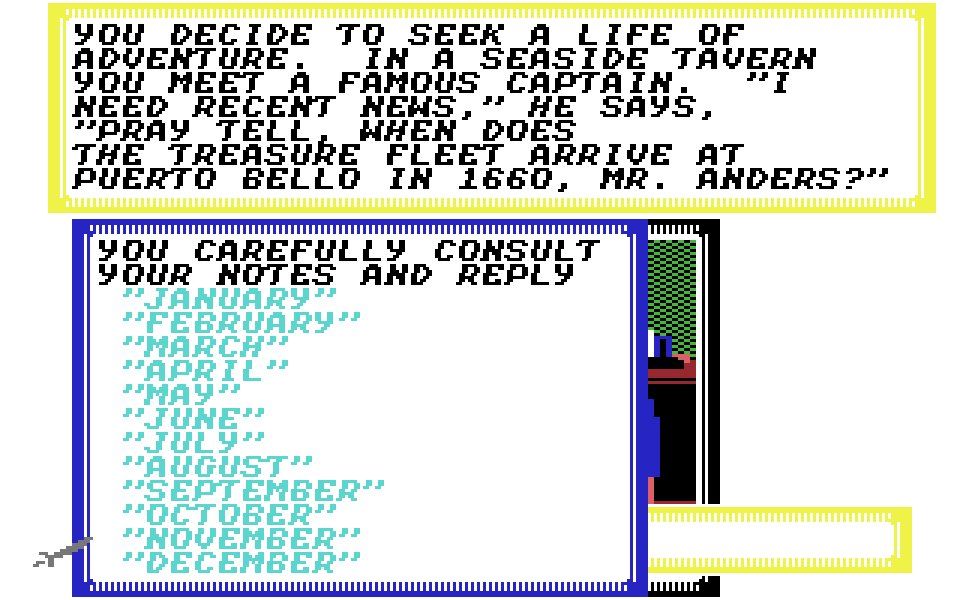
Playing it again now, I'd forgotten how things worked back then. Before you could start, a captain in a tavern asked you something only the manual could answer, like when the treasure fleet arrived in Puerto Bello in 1660. That was the copy protection. You could only save in a town, on a separate save disk you had to format first, and the game kept asking you to swap disks.
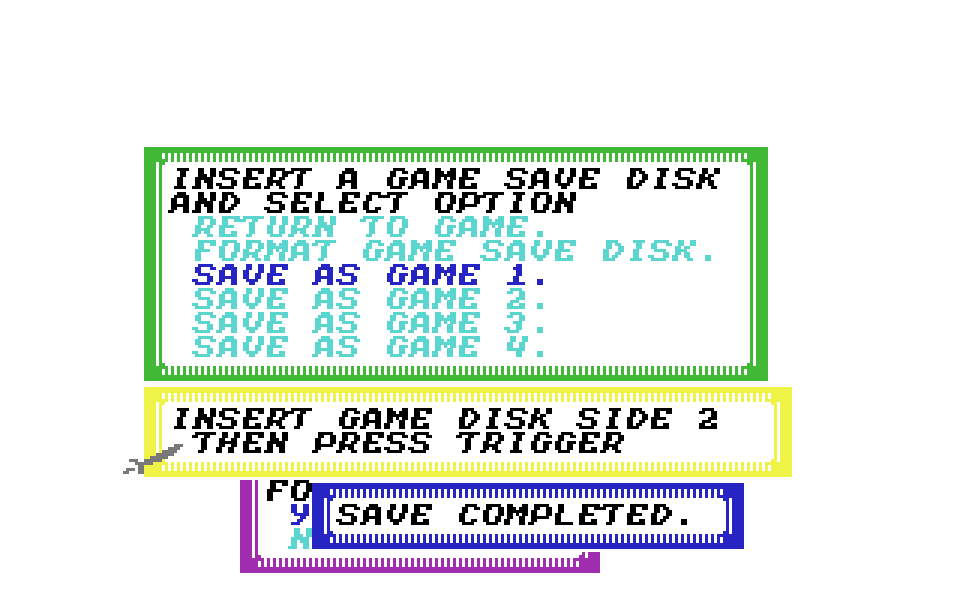
This was my wow game of 1987, though I didn't play it until a couple of years later. I got it on a disk borrowed from a friend's older brother, after I bought my first disk drive. I wasn't really into pirates as a theme, but the sailing, the trading and managing a fleet hooked me right away. It opened up a new world for me. I still remember the long loading times, even from disk.
Technically, the game is still very impressive for its time. How they even made it run on the C64 is a mystery to me, but much later I read, in Sid Meier's memoir if I remember correctly, that they used fonts, custom character sets, for some of the graphics to save space.
The Last Ninja
C64, 1987 (System 3)
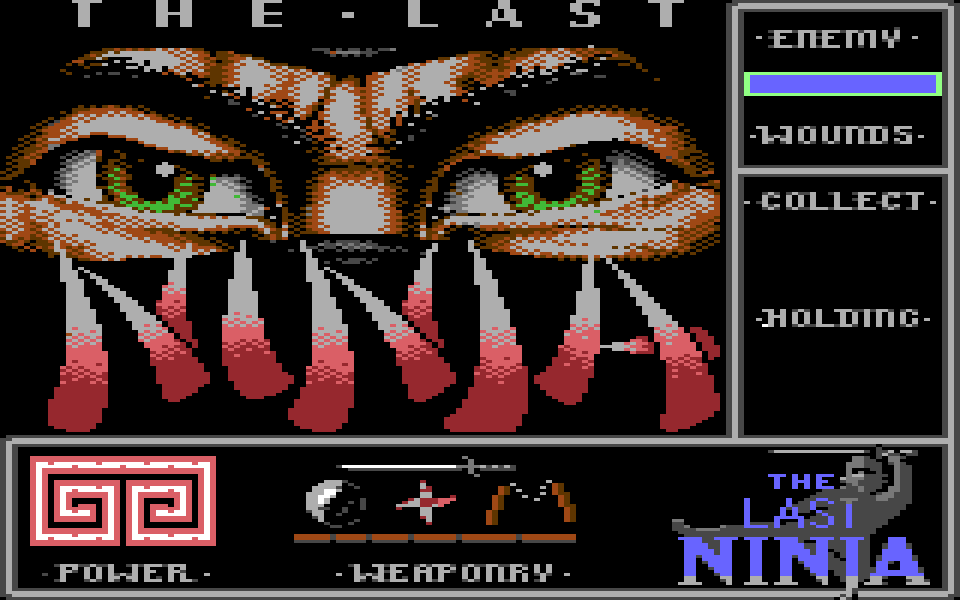
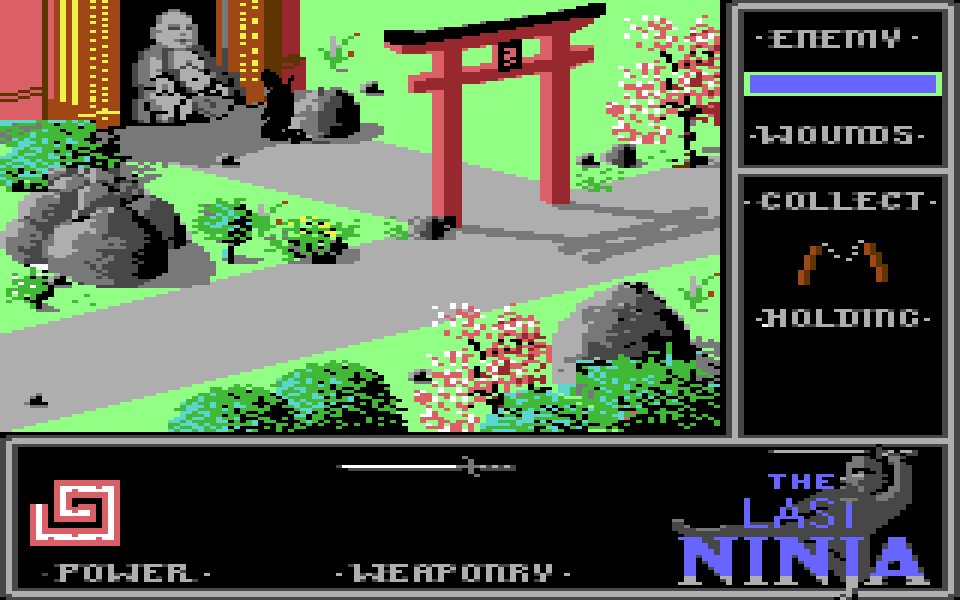
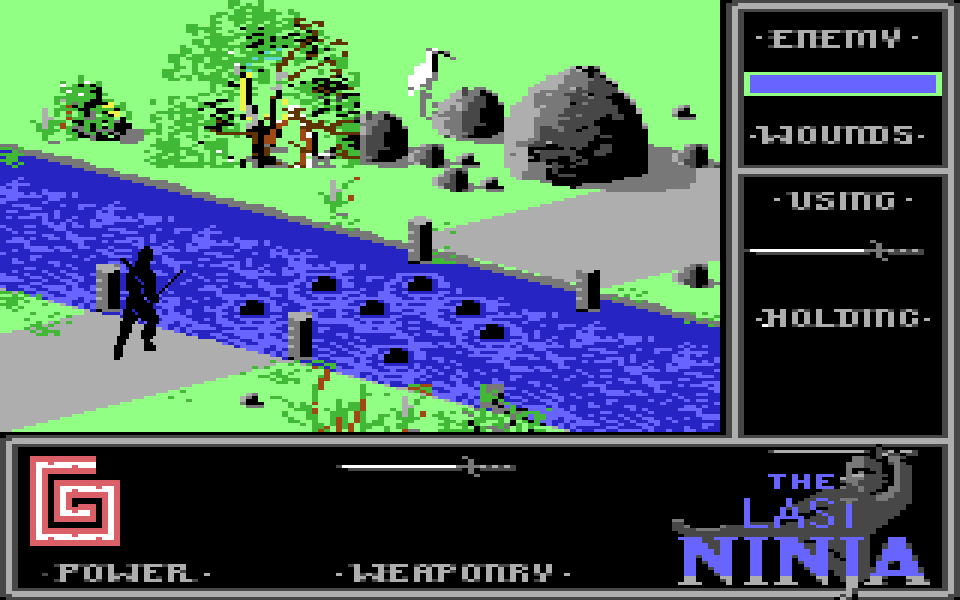
The ninja Armakuni sets out to avenge his clan and take back the sacred scrolls from the evil shogun Kunitoki. It was an isometric action adventure, a mix of fighting and puzzles, with some of the best graphics ever seen on the C64 and music by Ben Daglish and Anthony Lees. It became one of the best-selling C64 games of all time, with more than two million copies across all formats.
Datormagazin called it "the summer's hottest game" in issue 6 of 1987 and made it a Screen Star, with an average of 4. In the same issue they printed a reader's map of the levels, because the editors had "stopped counting the calls" from readers asking how to get past different places in the game. The map continued in the next issue.
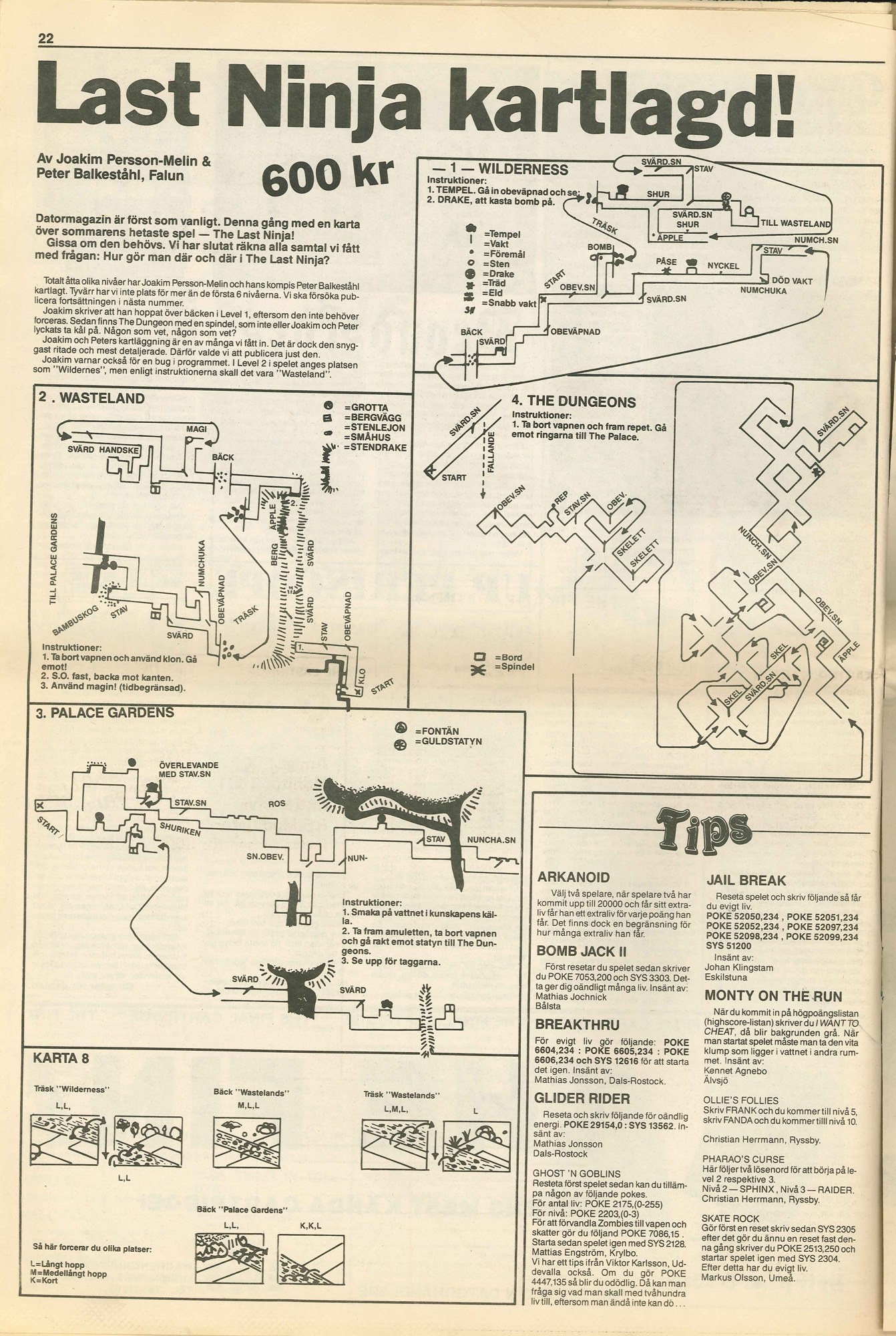
The reader's map of The Last Ninja in Datormagazin, issue 6 of 1987. Scan: Datormagazin, via DMZArkivet
When Datormagazin went through the sales of 650 games a year later, The Last Ninja had sold eight times more than any other karate game.
I remember playing this game a lot, and after a while I borrowed an old issue of Datormagazin to get hold of the map. The game isn't large by today's standards, but it was easy to get lost back then.
Wizball
C64, 1987 (Sensible Software / Ocean)
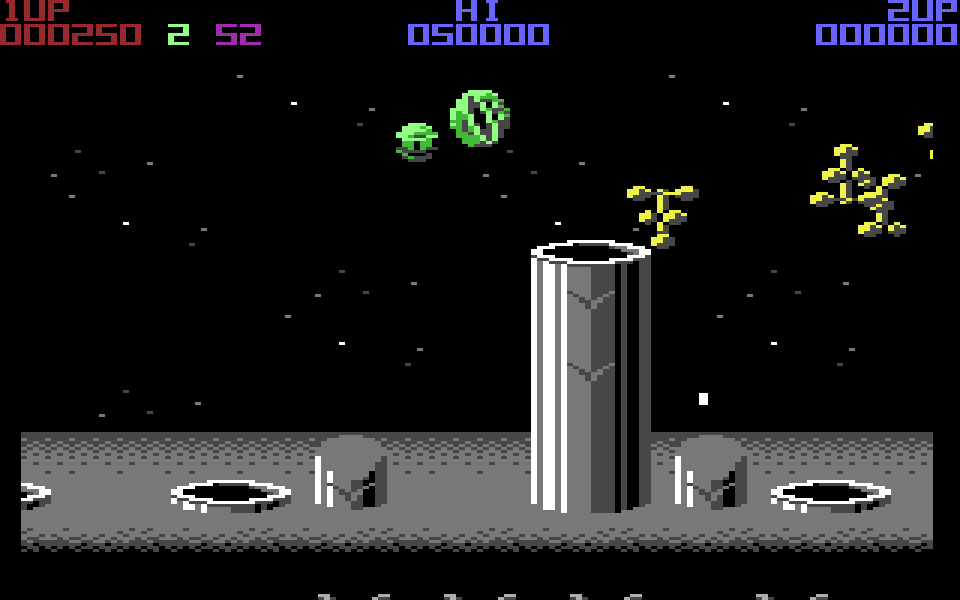
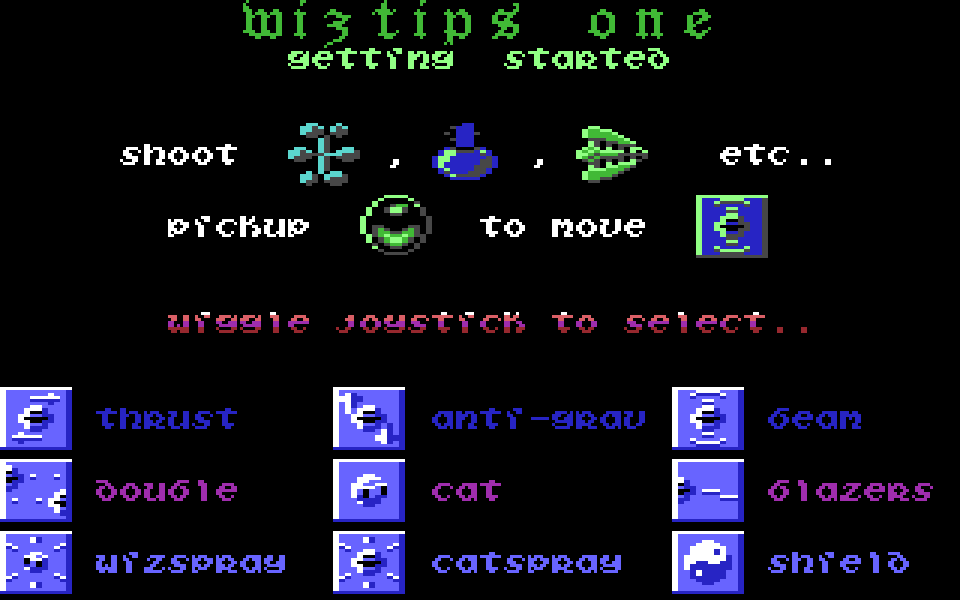
Screenshots: Lemon64
The evil Zark has drained all the colour from Wizworld, and the wizard Wiz has to bring it back, bouncing around in a green ball with his cat. You shoot enemies to release paint droplets, and the cat collects them so you can paint the grey levels in colour again. It was made by Jon Hare and Chris Yates at Sensible Software, who would later make Sensible Soccer. It was hard to control at first, but once you got the hang of it, nothing else played like it.
Datormagazin gave it 4.8 out of 5, "damn good fun, especially when the cat screams". Zzap!64 later named it the best C64 game ever. It didn't sell that well, though.
I actually don't remember ever completing this game, and I don't remember too much of it, except that it was lots of fun.
Star Paws
C64, 1987 (Software Projects)
Screenshots: Lemon64
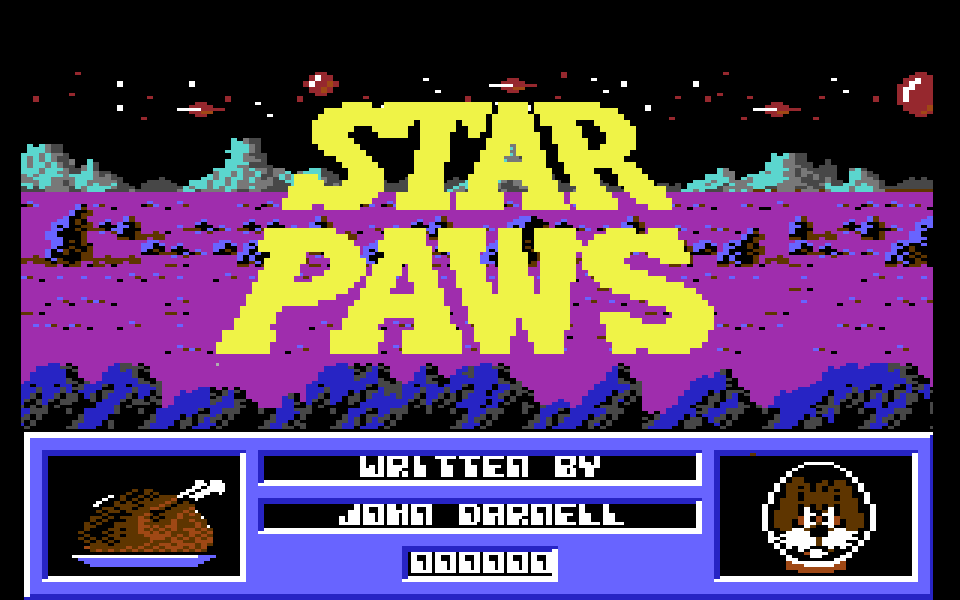
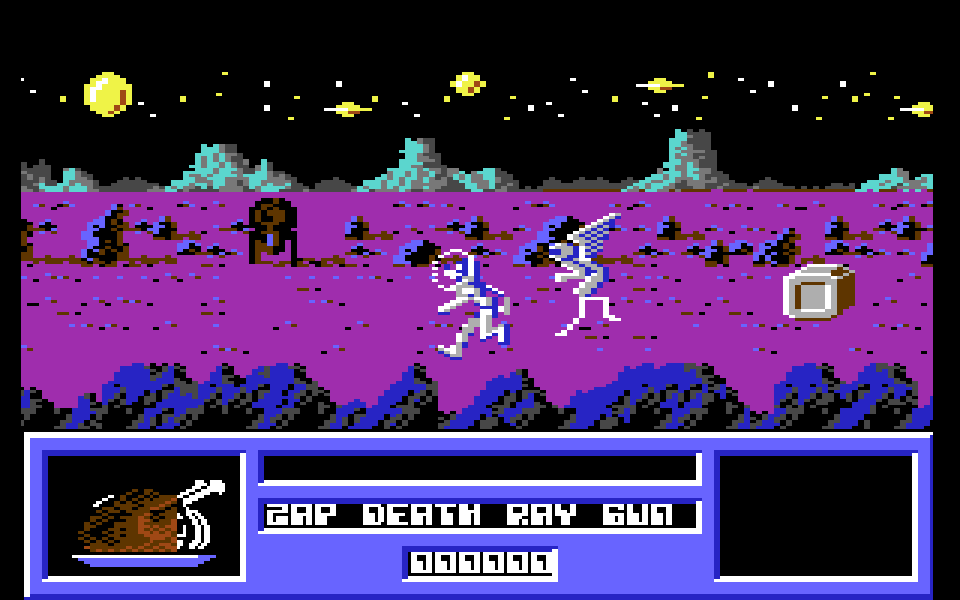
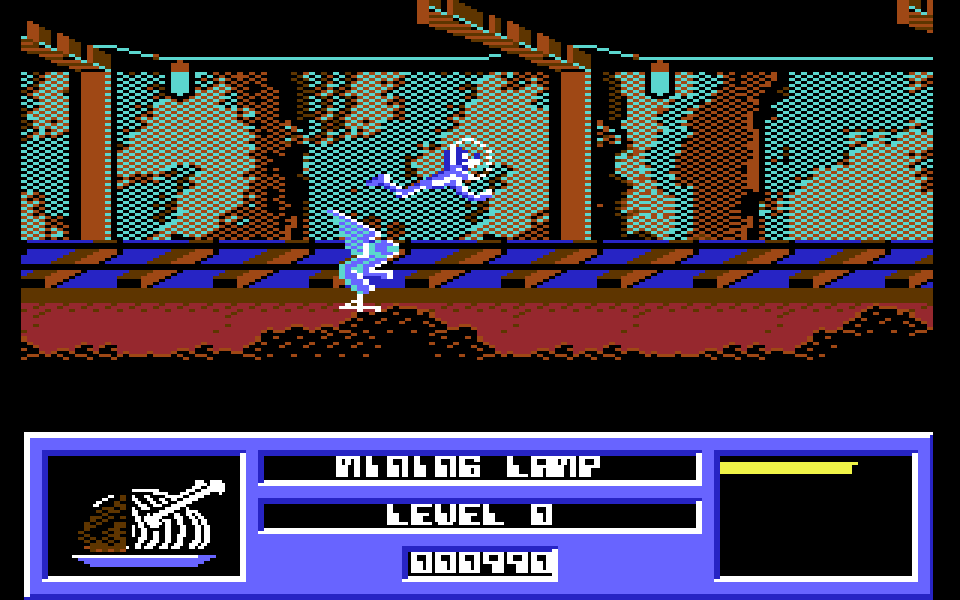
Captain Rover Pawstrong, a space dog, has to catch all the tasty space griffins on a planet before he can go home. You chase them on foot or with vehicles and weapons dropped from space. Between the levels there were mini games. It was written by John Darnell, it was full of jokes, and the animation was great.
Datormagazin's Game Squad was "completely lyrical" about it in issue 7 of 1987, and it shared the highest average of the year, 4.8. The reviewer thought the animation deserved the highest possible grade. It cost only 89 kronor on tape.
This was one of my favourite C64 games. I'm not sure why, but it's a really fun game, with music that sticks (you can find it on Spotify). I think what makes it fun is the weapon and equipment loadout, plus the mini games. There are two of them, one where you puzzle together a ship and one where you try to hit a bird with a cannon. I may add more screenshots of this game later.
California Games
C64, 1987 (Epyx)
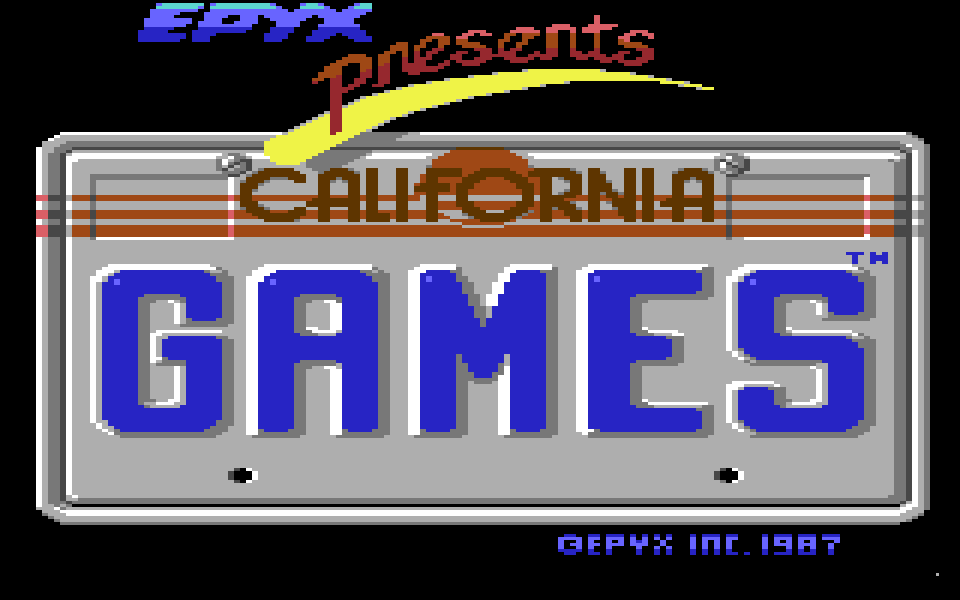
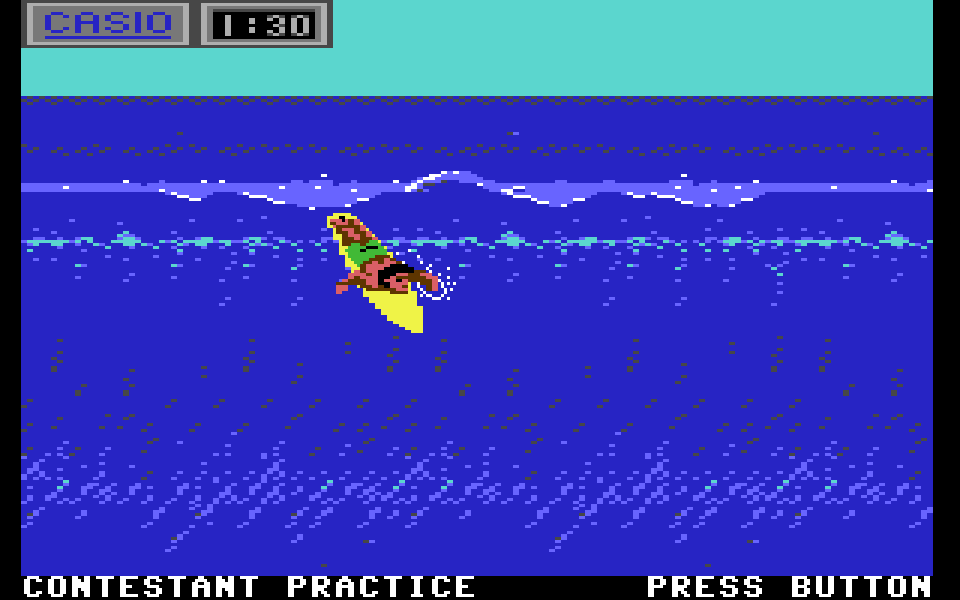
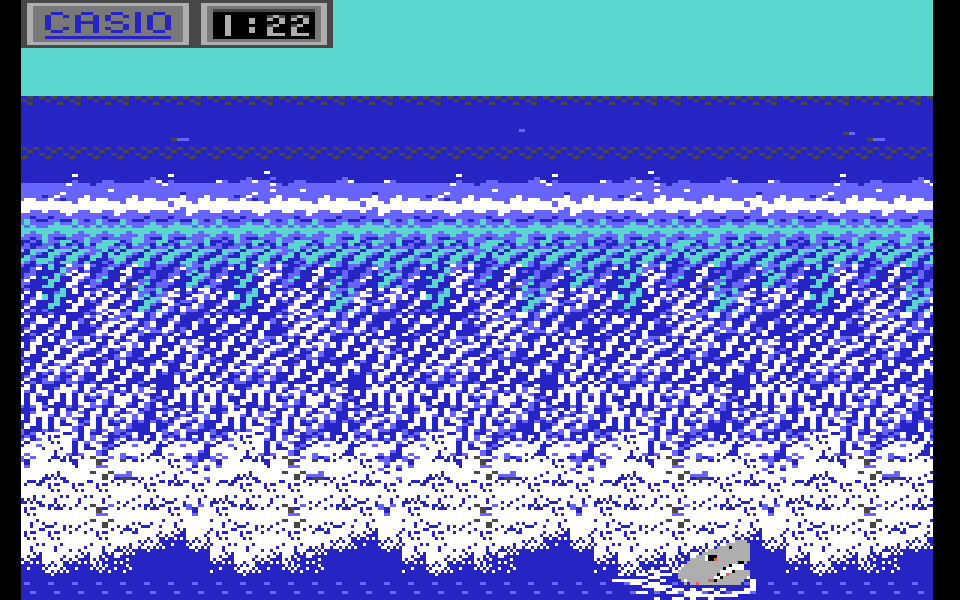
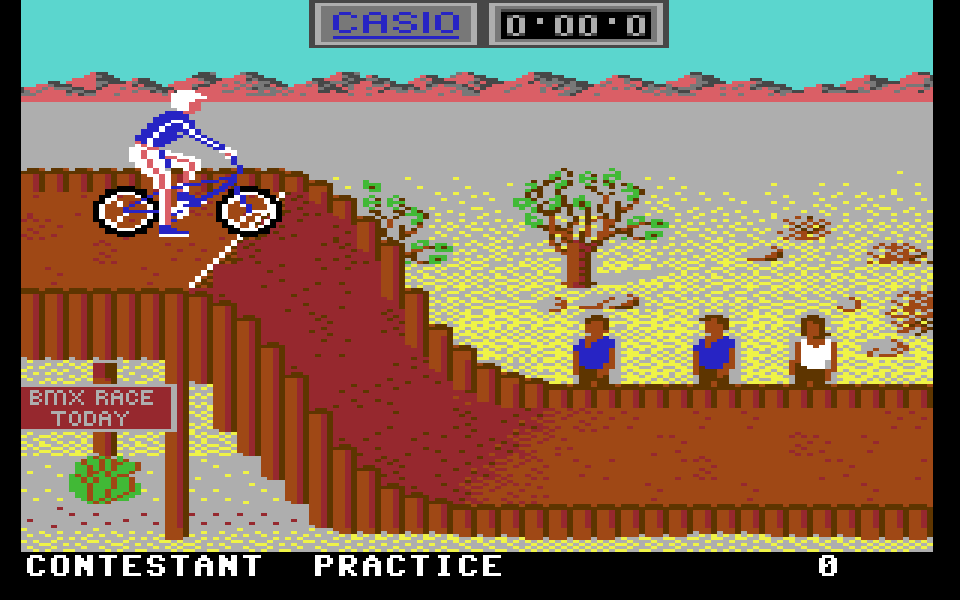
Epyx's sports series left the Olympics behind and went to the beach: half-pipe skateboarding, footbag, surfing, roller skating, BMX and flying disc. Up to eight players could take part. Datormagazin gave it 3.8 and wrote that it would be hard to find anything else that lasted as long for the same money.
I played this one a lot with friends. I especially liked the surfing and BMX events.
Combat School
Arcade, 1987 (Konami)
Screenshots: Lemon64
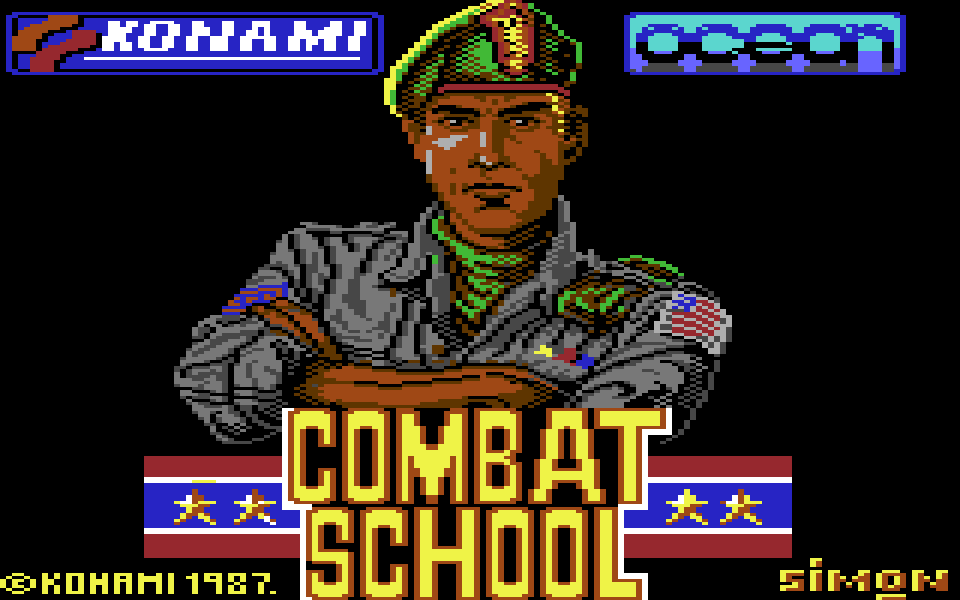
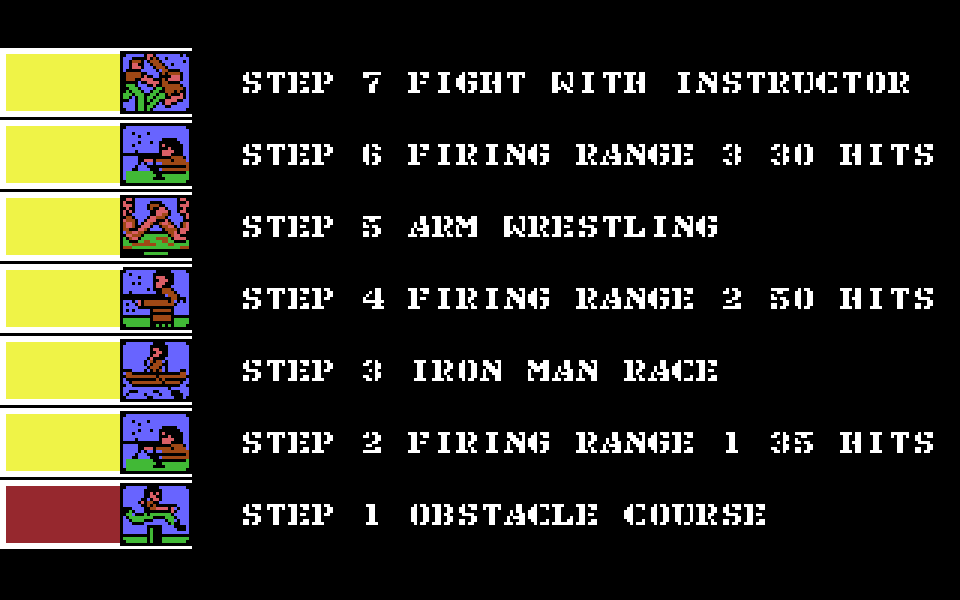
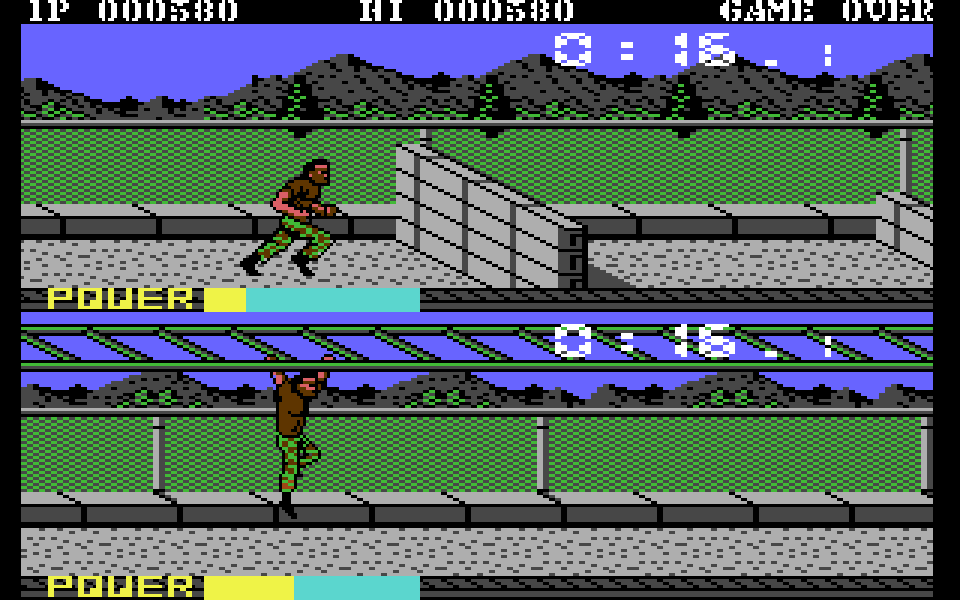
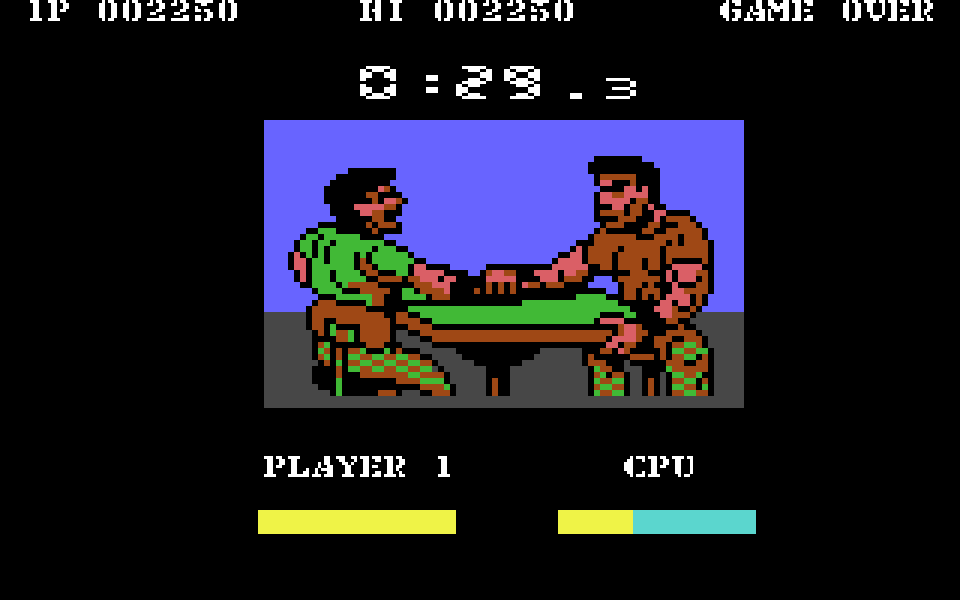
A boot camp in game form, with seven steps: an obstacle course, three firing ranges, an iron man race, arm wrestling and finally a fight against the instructor. If you didn't make the qualifying time, you were out. Most events were about waggling the joystick as fast as you possibly could. Ocean converted it to the C64 in 1987.
It was a game that broke joysticks. It involved a lot of joystick waggling and took some time to complete. I remember having trouble with the third event, the iron man race, for quite some time.
Barbarian: The Ultimate Warrior
C64, 1987 (Palace Software)
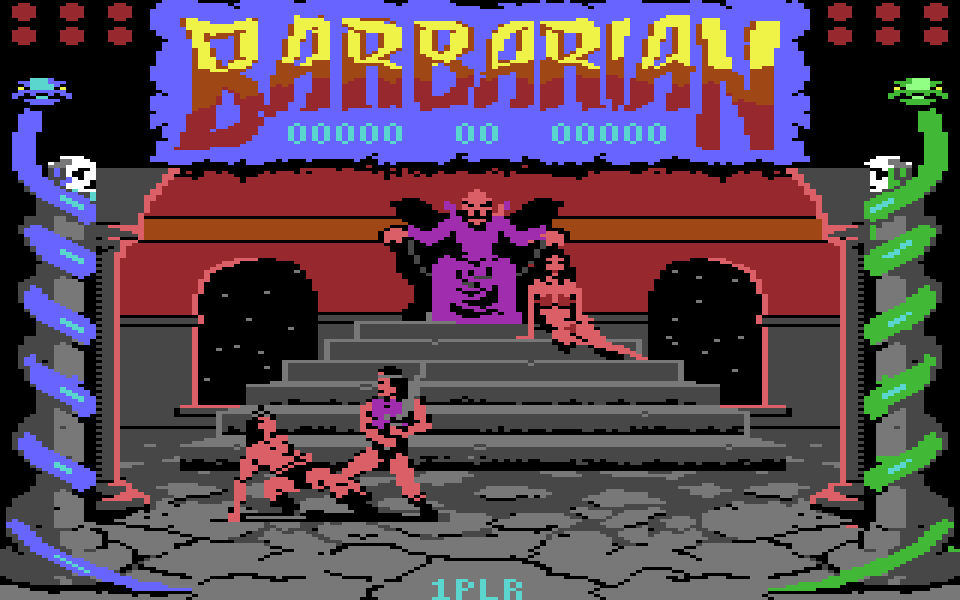
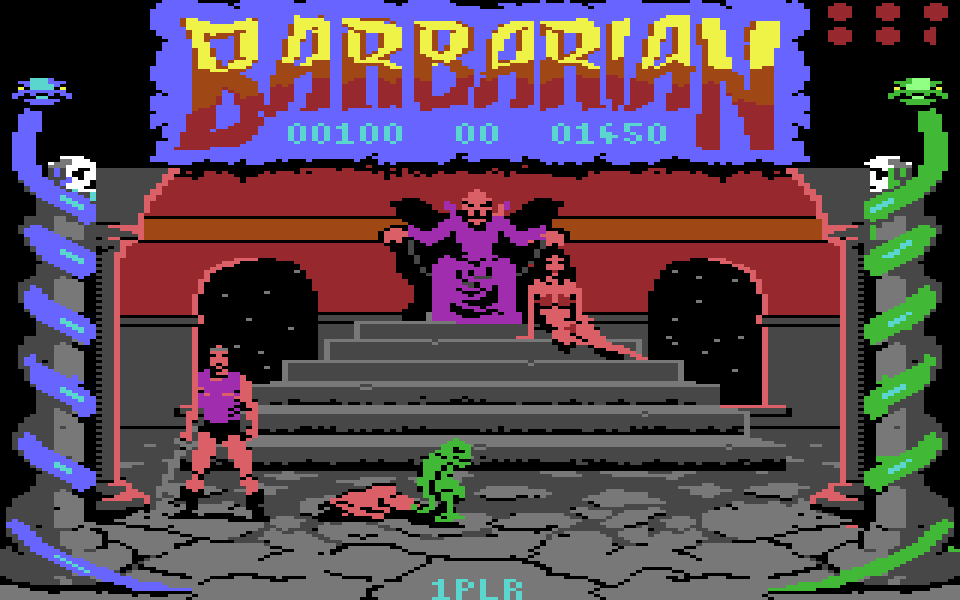
Two barbarians with swords, a lot of moves, and the one everybody remembers: a spinning blow that cut off your opponent's head, after which a little goblin came in, kicked the head away and dragged off the body. It was designed by Steve Brown, and it went to number one on the British charts.
The box was even more famous than the game. Palace used photos of the glamour model Maria Whittaker in a bikini and Michael Van Wijk, later Wolf in the TV show Gladiators, instead of a painting. That caused more outrage in the UK than the violence did, and the publicity sold a lot of games. In Germany, it was put on the list of media harmful to young people because of the violence, which meant it couldn't be advertised or sold to minors.
Datormagazin's reviewer had "never seen anything so violent in my whole life" in issue 4-5 of 1987. A year later, when the Swedish MP Margareta Persson wanted computer games censored, Barbarian's advertising was one of the examples readers used in the debate.
For me, it was just a fun game. The beheading was cool at the time, obviously :)
The Great Giana Sisters
C64, 1987 (Time Warp / Rainbow Arts)
Screenshots: Lemon64
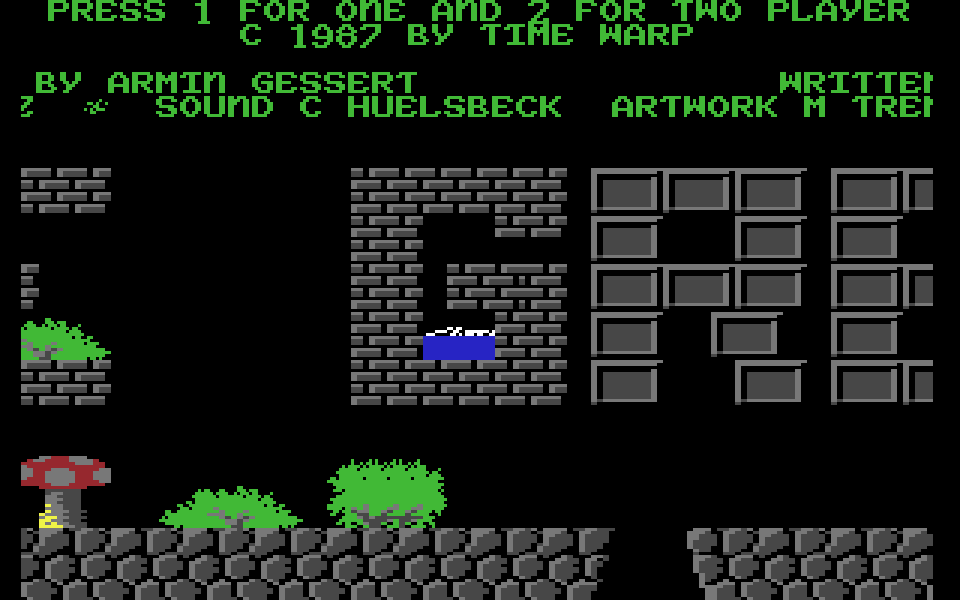
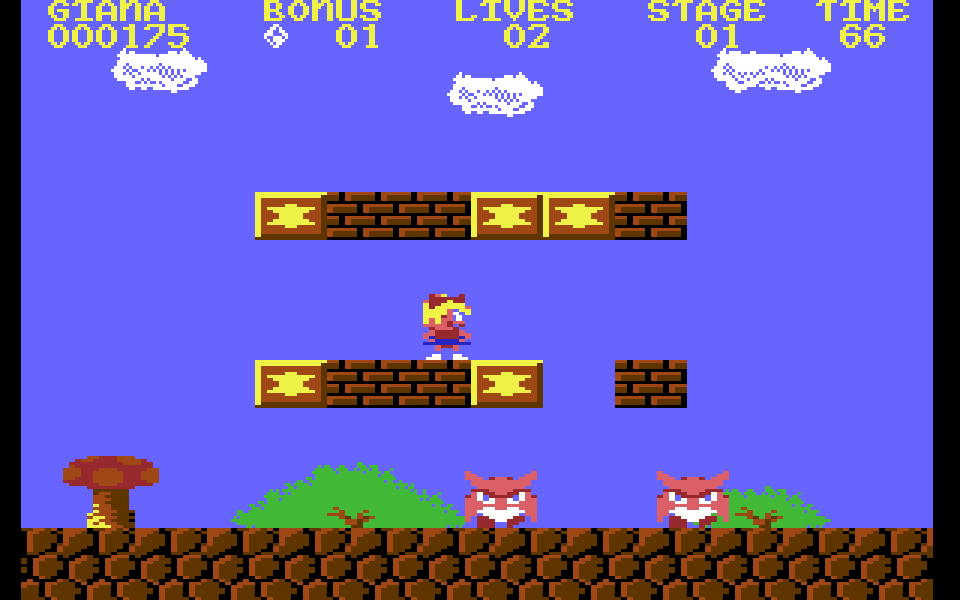
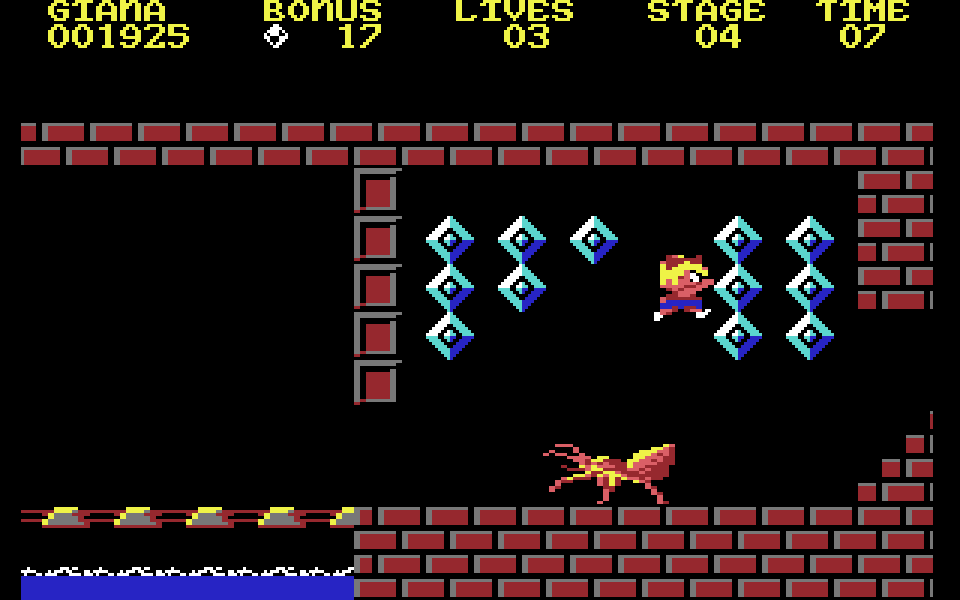
Giana from Milan falls asleep and gets stuck in a strange dream, and she has to find a giant diamond to wake up. If that sounds like Super Mario Bros., the first level looked like it too. Armin Gessert and Manfred Trenz made it, and Chris Hülsbeck did the music, which is still one of the best on the C64.
Nintendo thought it was a bit too much like Mario and sent Rainbow Arts a letter. There was no lawsuit, but the British distributor pulled the game from the shops in 1988, and even the developers have said they're not sure exactly why. The British box even had the slogan "The Brothers are History!", which probably didn't help. Of course, that only made it more popular, and people copied it like crazy.
In Sweden, Giana Sisters seems to have arrived late. Datormagazin wrote in the autumn of 1988 that the game had finally turned up in Swedish shops, "a super game before it was even released", and reviewed it in issue 11 of 1988.
My greatest memory of this is the music. Another game with great music, and a great platformer overall.
Tai-Pan
C64, 1987 (Ocean)
Screenshots: Lemon64
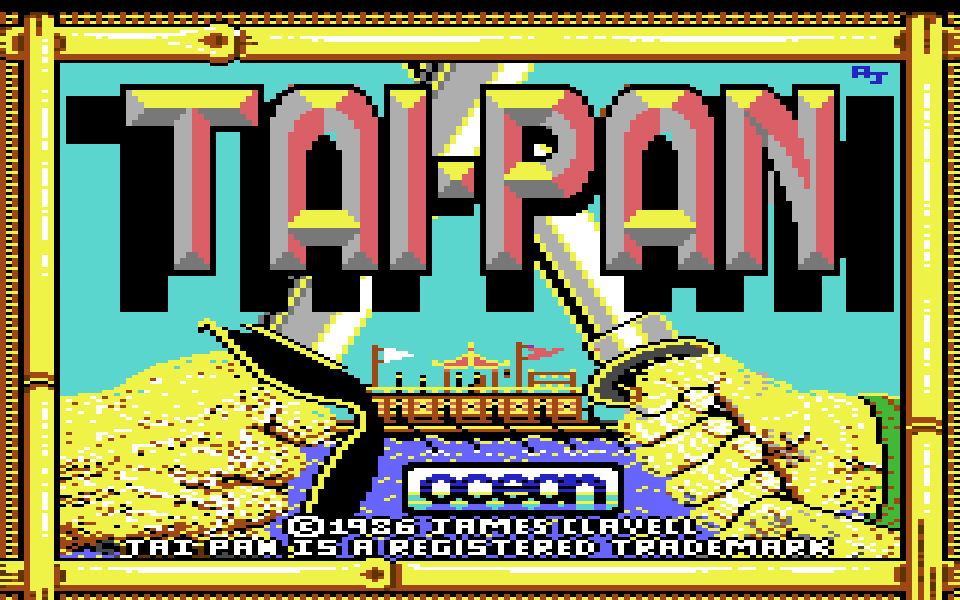
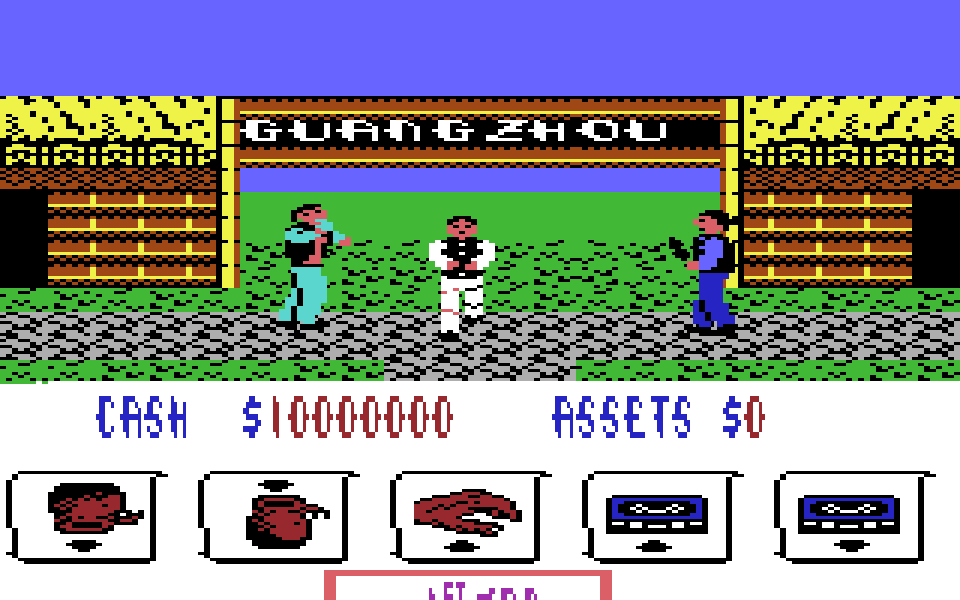
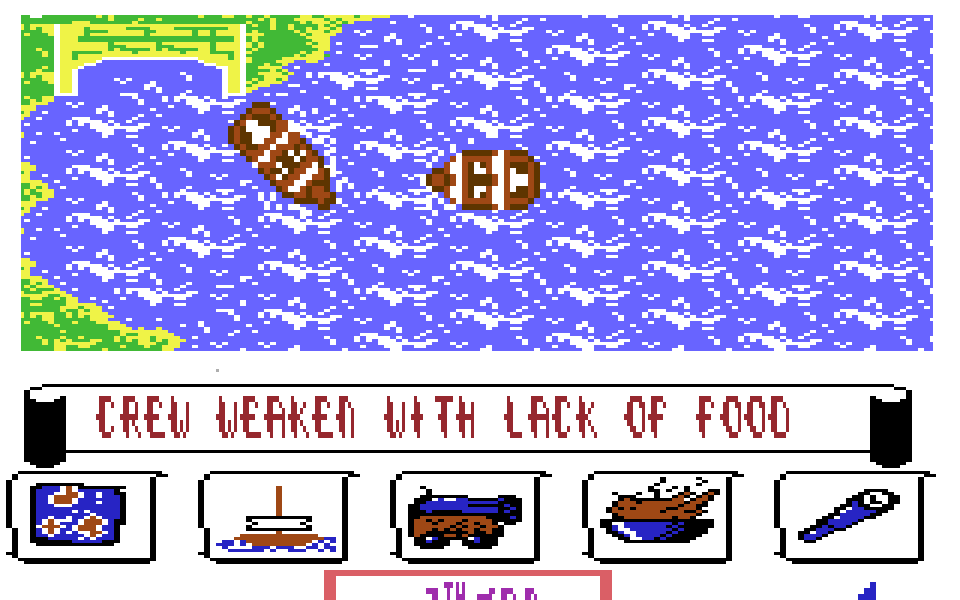
Based on James Clavell's novel, you play Dirk Struan, a trader in 1840s Hong Kong. You buy a ship, trade, smuggle, fight pirates and try to become the Tai-Pan, the most powerful trader of them all.
Datormagazin interviewed the programmer, 18-year-old Michael Gaunt, in early 1987, and called it a follow-up to Shōgun. That sounds odd, since Tai-Pan was written first, but it's right if you go by the story: it's the second book in Clavell's Asian Saga in chronological order. The Shōgun TV series was very popular in Sweden at the time, which is probably why they mentioned it.
The review in the summer of 1987 was harsh. The reviewer gave it 2.8 and wrote that a lot of people would be very disappointed, that "Tai-Pan was best when it didn't exist", and that you'd get more for your money with Pirates! or Pirates of the Barbary Coast.
I liked it anyway. I read the novel much later, and both Tai-Pan and Shōgun are still favourites of mine.
Ports of Call
Amiga, 1987 (Aegis)
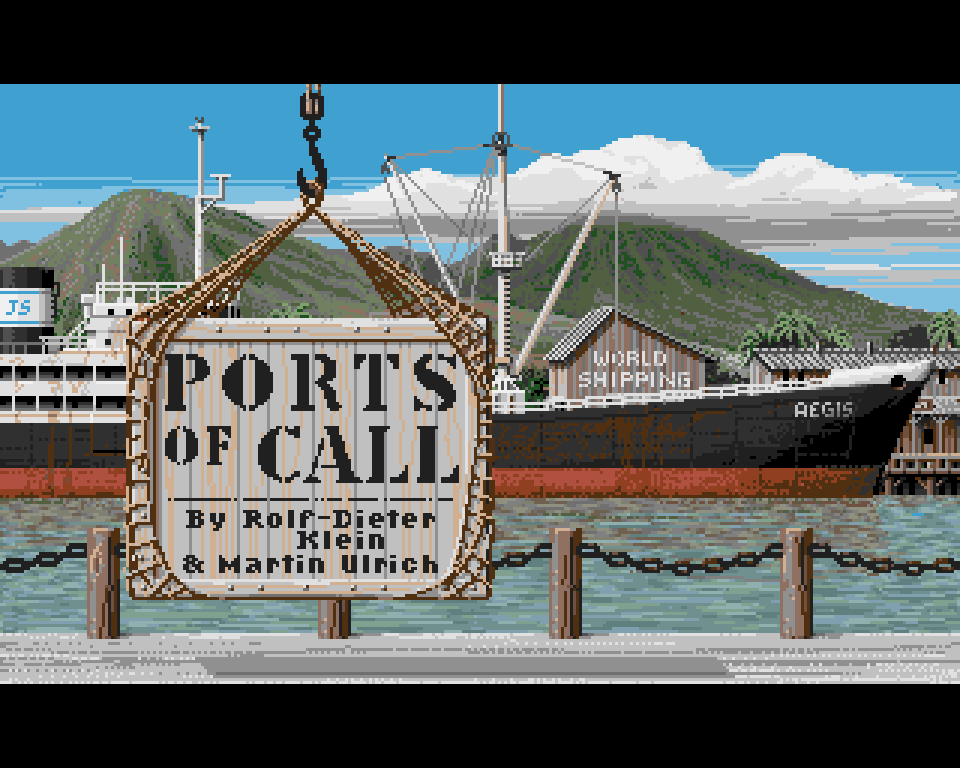
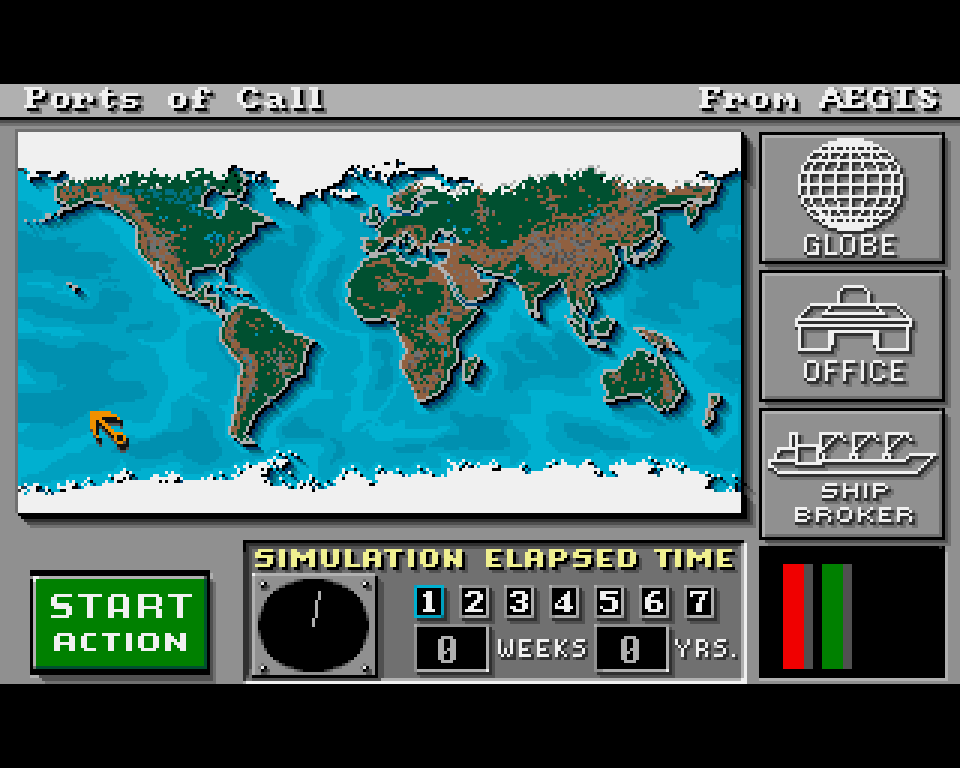
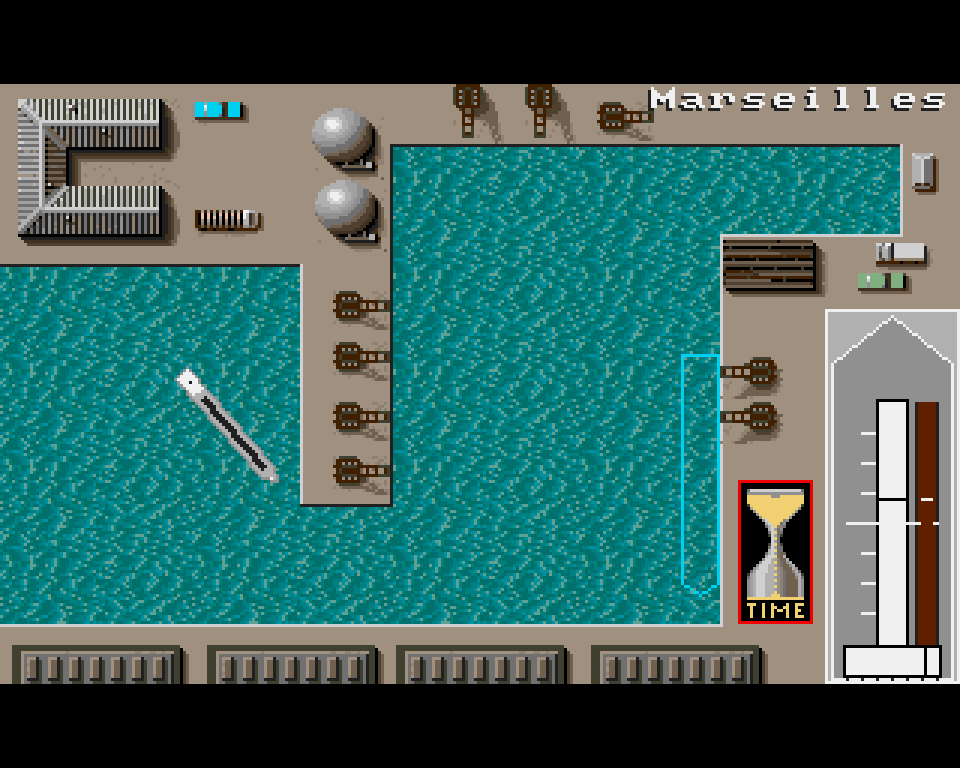
Screenshots: Lemon Amiga
A shipping company simulation by Rolf-Dieter Klein and Martin Ulrich. You start with five million in capital, buy ships and carry freight between the big ports of the world. You have to keep your ships in shape, watch fuel prices and the weather, and you can steer your ship into port yourself, which was the part everyone remembers. Several players could compete at the same computer.
Datormagazin reviewed it in issue 3 of 1988 and thought it was very good value despite the price, 295 kronor. The reviewer noticed that the game took a long time, but that you only noticed when you stopped playing. Its only weakness was the thin manual.
I seem to be drawn to this type of game to this day, so it's no surprise I liked it a lot when I played it.
Zelda II: The Adventure of Link
NES, 1987 (Nintendo)
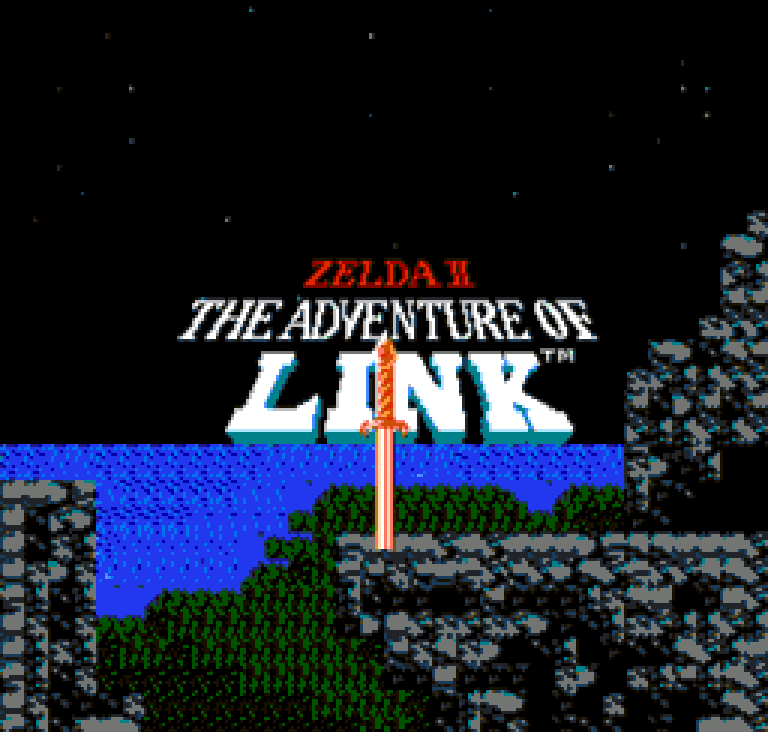
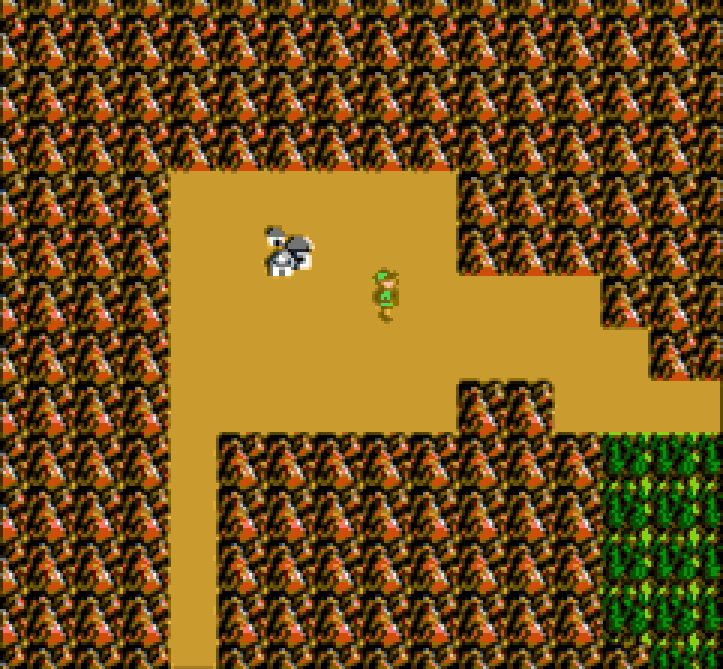
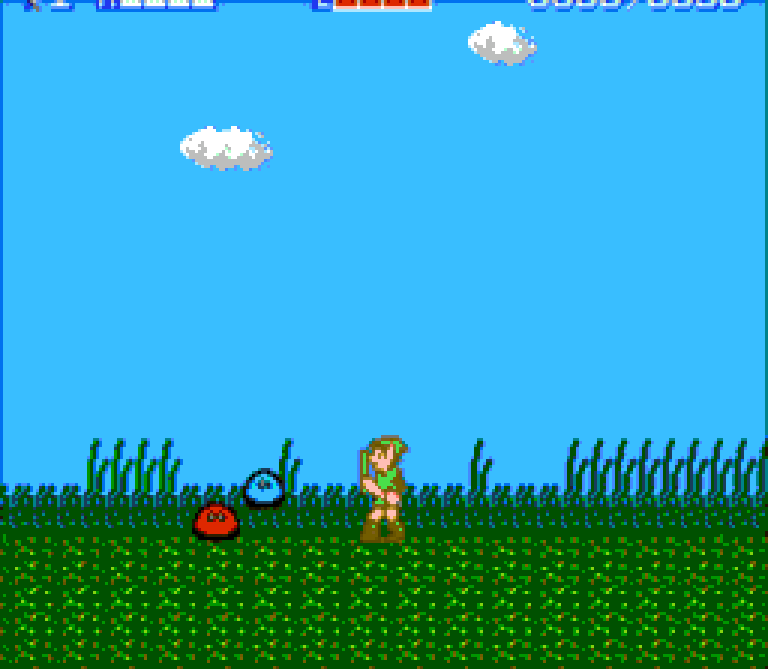
A very different Zelda. The overworld was seen from above, but towns, caves and palaces were side-scrolling, and Link got experience points and levels. It's often called the odd one out in the series, and it was hard. It also has one of the most quoted lines in NES history:
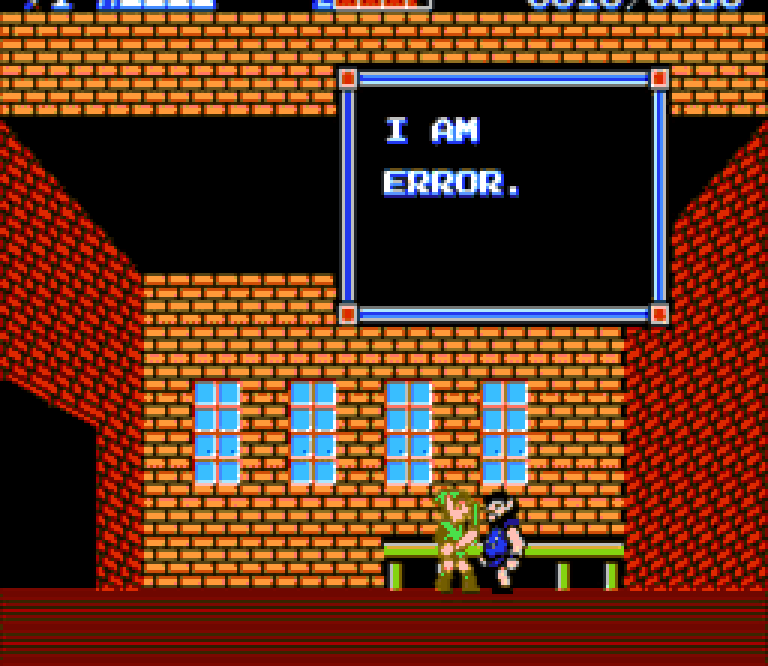
His name really is Error. In the Japanese original there's also a character called Bagu, which is "bug".
It came out in Japan on January 14, 1987, on the Famicom Disk System, but it didn't reach Sweden until September 1988, almost two years later.
Like the first Zelda, it grew on me, and it became one of my favourite NES games of all time. The switch between the top-down overworld map and the side-scrolling towns and dungeons is still very interesting.
Mike Tyson's Punch-Out!!
NES, 1987 (Nintendo)
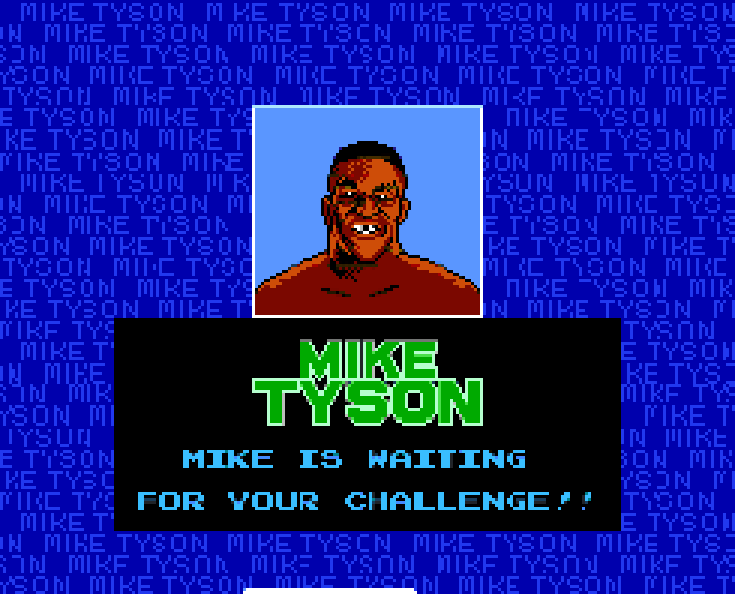
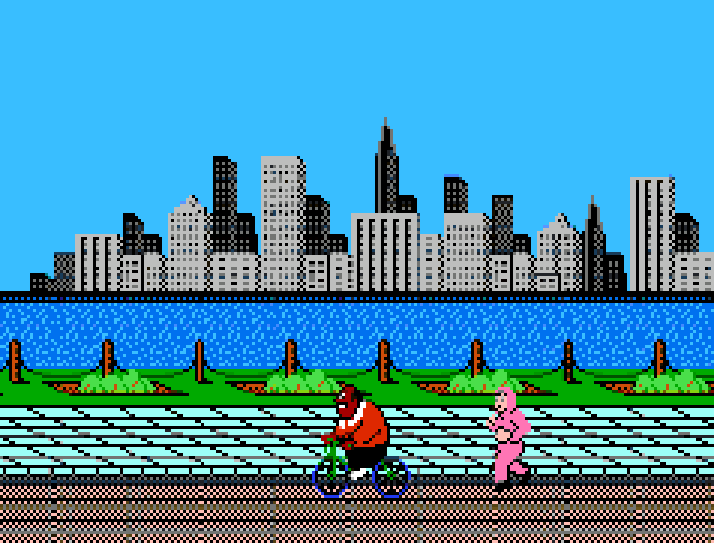
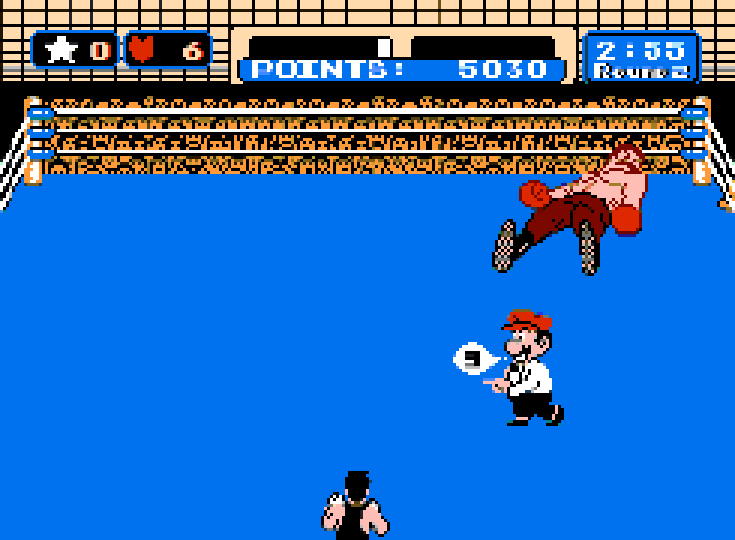
Little Mac, a small boxer from the Bronx, fights his way up through a line of larger-than-life opponents: Glass Joe, Von Kaiser, Piston Honda, King Hippo, Bald Bull and the rest, until he gets to fight Mike Tyson himself. Every opponent had his own tells, and the game was about learning them. Between the fights you went jogging with your trainer Doc Louis, and the referee was Mario. It came out in North America in October 1987 and in Europe on December 15, 1987, so it arrived in Sweden at the same time as Zelda.
I played it in early 1988. I still remember the password 777 807 3454, which takes you to the World Circuit and the second fight against Piston Honda. The code for the Tyson fight, 007 373 5963, I never knew back then. It was spread by word of mouth, and it didn't reach us. I only found it while doing research for this post.
Sources
- 1987 in video games (Wikipedia)
- Amiga 500 (Wikipedia)
- Commodore 128 (Wikipedia)
- The Last Ninja (Wikipedia)
- Wizball (Wikipedia)
- The Great Giana Sisters (Wikipedia)
- Barbarian: The Ultimate Warrior (Wikipedia)
- Sid Meier's Pirates! (Wikipedia)
- Star Paws (Wikipedia)
- Combat School (Wikipedia)
- Ports of Call (Wikipedia)
- Pirates! on the C64 (C64-Wiki)
- Pirates!: The Treasure Fleet and The Silver Train (C64-Wiki)
- Sid Meier (Wikipedia)
- Sid Meier with Jennifer Lee Noonan, Sid Meier's Memoir! A Life in Computer Games (2020)
- Metal Gear (Wikipedia)
- Dungeon Master (Wikipedia)
- Leisure Suit Larry in the Land of the Lounge Lizards (Wikipedia)
- Out Run (Wikipedia)
- Commodore BASIC (Wikipedia)
- Screenshots from Lemon64 and Lemon Amiga, hardware photos from Wikimedia Commons
- NES Sverigelansering fyller 40! (Varvat)
- 1988: Konsolerna tar över (Spelbloggen)
- Datormagazin nr 3/1987 (Amiga 500 and C64 prices, s. 2; Tai-Pan interview, s. 3), nr 2/1987, s. 3 (CeBIT), nr 4-5/1987 (Wizball review, s. 7; Barbarian review, s. 18; Amiga 500 test, s. 43), nr 6/1987 (Last Ninja map, s. 22; review, s. 24-25), nr 7/1987 (Commodore Sweden sales, s. 3; Pirates! review, s. 18-19; Star Paws review, s. 25), nr 8/1987 (Tai-Pan review, s. 19; California Games review, s. 25), nr 10b/1987, s. 10 (IK+ review), nr 1/1988, s. 9 (CCI Oscars), nr 3/1988, s. 28 (Ports of Call review), nr 10/1988, s. 5 and nr 11/1988, s. 18 (Giana Sisters), nr 12/1988, s. 4 (sales survey), via DMZArkivet